25 Best Winter Thru Hikes in the United States and Beyond

Embracing the Cold: Best Winter Thru-Hikes for Adventurous Souls

Winter might be a time for cozy firesides and hot chocolate for some, but for adventure-seekers, it opens a wonderland of hiking opportunities on long trails. With fewer crowds, serene landscapes, and the unique challenge that the snowy season brings, winter thru-hiking can be a magical experience over many miles of trails. Let’s explore some of the best winter thru-hikes where you can embrace the chill on the entire trail. If you have any hiking loved ones, also review these stocking stuffer ideas!

The United States

1. The Florida Trail:
Escape the snow but keep the spirit of winter on the Florida Trail. Spanning over 1,500 miles, the trail offers a unique blend of swamplands, forests, and prairies.

  • Highlights: Encounter diverse wildlife, from alligators to a rich variety of birds, and enjoy the relatively cool Floridian winter, perfect for hiking.
  • Challenges: Prepare for wet conditions, especially in the swamp areas. Also, careful planning is required as some sections may have restricted access.

2. The Arizona Trail: This 800-mile trail spans the whole length of Arizona, from Mexico to Utah, offering deserts, forests, and even snowy mountains during winter.

  • Highlights: Incredible desert sunsets, unique flora and fauna, and the opportunity to hike in snow in the higher regions like the San Francisco Peaks.
  • Challenges: Days are short, and temperatures can vary drastically between day and night. Snow can be a challenge in northern sections.

3. The Lone Star Hiking Trail, Texas: Located in the Sam Houston National Forest, this 96-mile trail (with additional loop and crossover trails) is best enjoyed in the winter months when the weather is mild and the wildlife is abundant.

  • Highlights: Beautiful pine forests, East Texas bayous, and less foot traffic, providing a solitary experience.
  • Challenges: Trail markings are sometimes infrequent; careful navigation is required. Be prepared for wet conditions and muddy trails.

4. The Ouachita National Recreation Trail, Arkansas and Oklahoma: Spanning 223 miles through the Ouachita Mountains, it’s one of the country’s longest continuous trails. Winter brings cooler temperatures, making the journey more comfortable.

  • Highlights: Rolling mountain vistas, numerous rock formations, and crystal-clear streams. Winter’s leaf-off conditions provide better views.
  • Challenges: Some parts of the trail are remote, requiring careful planning and self-sufficiency. Winter storms can make travel difficult, especially in higher elevations.

Australia and New Zealand

Photo by Leeloo Thefirst on Pexels.com

5. The Te Araroa Trail, New Zealand:
Experience the Southern Hemisphere’s summer from December through February on this trail, which stretches 3,000 kilometers across New Zealand, from Cape Reinga in the north to Bluff in the south.

  • Highlights: Incredible diversity, including beaches, forests, and mountains. You’ll experience the rich Maori culture and unparalleled Southern Hemisphere landscapes.
  • Challenges: This is a long trek requiring comprehensive preparation and self-sufficiency. Sections can be remote, and weather can change rapidly.

6. The Bibbulmun Track, Australia: One of the world’s great long-distance walking trails, the Bibbulmun Track stretches nearly 1,000 kilometers from Kalamunda, a suburb in Perth, to the historic town of Albany.

  • Highlights: The track goes through tranquil forests, pristine coasts, and rugged terrains, with shelters spaced a day’s walk apart.
  • Challenges: Water can be scarce, and portions of the track are remote with few resupply points. Bushfires are a summer risk; always check local conditions.

Africa

7. The Fish River Canyon Trail, Namibia:
One of the largest canyons in the world, Fish River Canyon, offers a stunning 85-kilometer hike perfect during the Southern Hemisphere’s summer.

  • Highlights: Dramatic canyon landscapes, unique flora and fauna, and night skies perfect for stargazing.
  • Challenges: The terrain can be rugged with steep descents and ascents, and it’s essential to be self-sufficient during the 4-5 day hike.

8. The Otter Trail, South Africa:
Another gem from the Southern Hemisphere, this 5-day, 42-kilometer trail along the Garden Route is a spectacular hike during the local summer months.

  • Highlights: Coastal cliffs, lush forests, and refreshing ocean swims. The trail offers comfortable huts for overnight stays.
  • Challenges: The trail involves some river crossings that can be dangerous after heavy rains, and it’s notoriously difficult to book due to popularity.

9. The Drakensberg Grand Traverse, South Africa: This high-altitude, 200+ kilometer trek is not a formal trail but a collection of established routes through the Royal Natal National Park and traverses the entire Drakensberg range.

  • Highlights: Spectacular views, unique flora and fauna, and a sense of true wilderness. Pass through dramatic landscapes including high peaks and vast grasslands.
  • Challenges: Unpredictable weather can include sudden storms. The route requires navigational skills and is physically demanding.

Europe

Photo by Suzy Hazelwood on Pexels.com

10. The Rota Vicentina, Portugal:
Europe’s mild coastal winter awaits you on the Rota Vicentina. Choose between the 230-kilometer Historical Way or the 120-kilometer Fishermen’s Trail, or combine them for an extended journey.

  • Highlights: Breathtaking coastal views, historical landmarks, and traditional Portuguese villages.
  • Challenges: Some parts of the Fishermen’s Trail can be quite sandy and strenuous to walk on, and winter storms can make the journey challenging.

11. The Camino de Santiago, Spain: More than a hike, the Camino is a pilgrimage culminating at the cathedral in Santiago de Compostela. There are various routes, with the Camino Francés being the most famous, covering around 800 kilometers. Read more about the Camino on my Camino-specific blog.

  • Highlights: Rich in history and culture, the Camino takes you through the diverse landscapes of Spain, from mountains to fertile plains, all while you enjoy the renowned hospitality of the Spanish people.
  • Challenges: Winter means fewer crowds but also fewer open facilities; some sections might be snowy or muddy. Ensure you check the availability of accommodations and pack for variable conditions.

12. The Lycian Way, Turkey: This 540-kilometer trail along Turkey’s stunning Turquoise Coast offers a mix of coastal and mountain hiking, with winter temperatures being relatively mild.

  • Highlights: Ancient ruins, pristine beaches, and traditional Turkish villages. Enjoy the local cuisine and the hospitality of the Turkish people.
  • Challenges: Some remote sections require self-sufficiency. Winter can bring rain, making the trail slippery in parts and cold at higher elevations.

13. The GR20, Corsica, France: Known as one of Europe’s most challenging hikes, the GR20 spans 180 kilometers through Corsica’s rugged mountains. While summer sees this trail crowded, winter brings solitude and snow.

  • Highlights: Breathtaking mountain landscapes, rustic mountain huts, and a true sense of wilderness.
  • Challenges: Winter conditions require alpine skills and equipment. Many facilities are closed, and the weather can be severe; this trail is only for the experienced winter hiker.

14. The Via Dinarica, Western Balkans: A mega trail that extends through Slovenia, Croatia, Bosnia and Herzegovina, Montenegro, Albania, Serbia, Kosovo, and North Macedonia, it covers about 1,200 kilometers, showcasing the diverse cultures of the Dinaric Alps and the Sharr Mountains.

  • Highlights: Diverse landscapes, cultural immersion in multiple countries, and traditional Balkan cuisine.
  • Challenges: Winter conditions can be harsh, especially at high elevations, and days are short. Some sections might be inaccessible due to snow, and local support and facilities could be limited.

15. The West Highland Way, Scotland: Scotland’s first official long-distance route, this 154-kilometer trail offers a quintessential Scottish highlands experience, viable in late winter and early spring.

  • Highlights: Lochs, mountains, and moors, with a chance to see Scotland’s iconic wildlife. Experience Scottish hospitality in the trail’s villages.
  • Challenges: Weather can be extremely unpredictable, with cold temperatures, rain, snow, and strong winds. Daylight is limited, and winter gear is essential.

South America

16. The Greater Patagonian Trail, Chile/Argentina: This route, still a work in progress, aims to connect trails over more than 3,000 kilometers through the southern Andes, from Santiago de Chile to the southernmost tip of continental South America.

  • Highlights: Experience diverse ecosystems, from the dry Andean highlands to the lush southern forests, with possibilities to witness local cowboy culture.
  • Challenges: This is not an official trail, and route finding can be challenging. Be prepared for remote conditions, and ensure strong navigation and survival skills.

17. The Inca Trail to Machu Picchu, Peru: This world-renowned trek runs approximately 42 kilometers, starting from the Sacred Valley and culminating at the iconic Incan city of Machu Picchu.

  • Highlights: Walk the ancient paths of the Inca, explore archeological sites, and enjoy stunning views of high mountain passes. The final destination, Machu Picchu, is one of the world’s most famous archaeological wonders.
  • Challenges: High altitude can cause sickness. The trail is closed in February for maintenance, and permits are limited, so booking well in advance is necessary.

18. The Santa Cruz Trek, Peru: One of the best-known hikes in the Cordillera Blanca, this trek covers around 50 kilometers and is typically completed in 4 to 5 days.

  • Highlights: Remarkable views of snow-capped peaks, turquoise lagoons, and high-altitude meadows. Proximity to local Andean culture adds a rich cultural layer to the natural beauty.
  • Challenges: Altitude sickness is a risk, and trekkers must be prepared for cold nighttime temperatures and potentially sudden weather changes, despite it being summer.

19. The Qhapaq Ñan, Various Countries: This is an extensive system of ancient roads built by the Inca Empire, stretching over 30,000 kilometers. Sections can be hiked in Argentina, Bolivia, Chile, Colombia, Ecuador, and Peru.

  • Highlights: An opportunity to walk the same paths trodden by the Inca centuries ago, through a variety of landscapes and ecological zones, rich in cultural heritage.
  • Challenges: The vastness of the trail means hikers must carefully select which section to tackle. Varying elevations, climates, and trail conditions across countries require comprehensive planning.

20. The Lost City Trek (Ciudad Perdida), Colombia: A 46-kilometer return trek through the dense jungle of the Sierra Nevada de Santa Marta, leading to the ancient archaeological site of Ciudad Perdida.

  • Highlights: Traverse lush rainforests, swim in refreshing rivers, and encounter indigenous communities. The destination is the mysterious “Lost City,” comparable to Machu Picchu but less frequented.
  • Challenges: High humidity, heat, and regular rainfall can be expected, along with challenging terrain. It’s essential to go with a guided tour due to the trail’s complexity and to respect indigenous territories.

Asia and the Middle East

Photo by Suzy Hazelwood on Pexels.com

21. The Annapurna Circuit, Nepal: Encircling the Annapurna Massif, this trail is typically 160 to 230 kilometers, depending on the chosen route. While spring and autumn are peak seasons, winter brings a different kind of tranquility and challenge.

  • Highlights: Imposing Himalayan scenery, diverse ecosystems, and rich local culture. Clearer skies in winter offer unobstructed views of the Annapurna range.
  • Challenges: High-altitude trekking demands proper acclimatization. Winter means colder temperatures and potential snow blockages; some tea houses may close.

22. The Shikoku Pilgrimage, Japan: Comprising 88 temples connected over approximately 1,200 kilometers, this pilgrimage trail on Japan’s Shikoku Island blends physical endurance with spiritual enrichment.

  • Highlights: A cultural and spiritual journey through rural Japan, with temples, traditional accommodations, and hot springs (onsen) to soothe weary muscles.
  • Challenges: Winter brings chillier temperatures, with snow in the mountains. Some accommodations may close, and fewer fellow pilgrims mean a more solitary experience.

23. The Baekdu-Daegan Trail, South Korea: Stretching over 735 kilometers, this mountainous spine offers a trek through South Korean history, culture, and stunning landscapes.

  • Highlights: Rich in cultural heritage sites, ancient temples, and diverse flora and fauna. Winter paints the landscapes white, offering a serene, stark beauty.
  • Challenges: Harsh winter conditions with significant snowfall and icy trails; preparation for extreme cold is essential. Shorter daylight hours require careful planning.

24. The Israel National Trail: Though not in Asia proper, its proximity and cultural ties make it a worthy mention. Extending approximately 1,100 kilometers, this trail traverses diverse terrains from Israel’s north to the south

25. The Jordan Trail, Jordan: Although Jordan is in the Northern Hemisphere, its winter, from November to April, is relatively mild. The trail stretches over 650 kilometers, traversing the length of Jordan from Um Qais in the north to Aqaba in the south.

  • Highlights: Discover ancient ruins, deserts, seas, and Jordan’s rich cultural history. Experience Bedouin hospitality and the famous Dead Sea.
  • Challenges: The desert section requires careful water planning. Political stability in the region can change, so keep an eye on travel advisories.

Preparation Tips for Winter Thru-Hiking:

  • Gear Up: Even in milder climates, winter weather can be unpredictable. Quality rain gear, moisture-wicking layers, and a reliable tent are crucial.
  • Plan Your Route: Some trails have sections that are impassable or dangerous during winter. Thorough research and a flexible plan are key for your winter thru-hike.
  • Safety First: Shorter daylight hours and harsher conditions require careful time management and regular health checks.
  • Respect the Environment: Winter ecosystems can be fragile. Stick to the trails, practice Leave No Trace principles, and respect local wildlife.
  • Plan Your Route and Inform Others: Let someone know your plan, route, and expected return time, and be sure to check the weather forecast.
  • Group Travel: If possible, hike with a group. There’s safety in numbers, especially during winter.
  • Knowledge and Skills: Consider taking a course or reading up on winter survival skills, first-aid, and avalanche safety.
  • Physical Fitness: These trails can be demanding due to changes in altitude, rugged terrains, and long distances. Prior fitness preparation is crucial.
  • Health Precautions: Understand the risk of altitude sickness, ensure vaccinations are current, and arrange travel health insurance. Pack a well-stocked first-aid kit.
  • Navigation Skills: With potentially snow-covered paths, your navigation skills must be top-notch. Carry maps, a compass, and a GPS device. Don’t rely on just your cell phone and remember batteries can die quickly in the cold.
  • Local Guidance: For many of these treks, especially the more remote or culturally sensitive ones, hiring a local guide is advisable, if not mandatory.
  • Respect for Indigenous Communities: Many trails pass through or nearby indigenous lands. Learn about and respect local customs, rules, and recommendations.
  • Legal Preparedness: Stay updated on visa requirements and any travel restrictions, especially those that may arise due to ongoing health concerns or geopolitical issues.

Winter Hiking Gear

Winter backpacking can be a magical experience with snow-covered landscapes, fewer crowds, and the serene silence of wilderness. However, the colder temps and unpredictable weather conditions mean that having the right gear is absolutely critical for safety, comfort, and enjoyment. Here’s a comprehensive guide to gear that needs special consideration when you’re preparing for a winter backpacking adventure.

(As an Amazon Associate, I earn from qualifying purchases. Most of the links below are paid links.)

1. Four-Season Tent: Standard three-season tents might not withstand harsh winter conditions. A four-season tent is designed to handle heavy snow, high winds, and cold temperatures, providing extra protection and stability. The Mountain Hardware Trango is one great option.

2. Sleeping Bag and Pad: Invest in a high-quality winter sleeping bag rated at least 10 degrees Fahrenheit lower than the coldest temperature you expect to encounter. A sleeping pad with a high R-value (measure of insulation) is also crucial to insulate your body from the cold ground.

3. Insulated Winter Clothing: Layering is key. Start with moisture-wicking base layers to keep sweat away from your body, add insulating mid-layers (like fleece or wool), and top with a waterproof, breathable outer layer. Don’t forget insulated pants, waterproof gloves, warm hats, and even a balaclava for face protection.

4. Sturdy, Insulated Footwear: Waterproof winter hiking boots with insulated lining ensure your feet stay dry and warm. Pair them with wool or synthetic socks (plus spares). Gaiters are also helpful to keep snow out of your boots.

5. Microspikes and Snowshoes: Icy trails and deep snow are challenging and potentially dangerous. Microspikes can be attached to your boots for added traction on ice, while snowshoes are essential for deep snow conditions to prevent you from sinking into the snow with every step.

6. Ice Axe and Crampons: For high-elevation hikes or icy terrains, an ice axe and crampons are vital for safety. They can aid in self-arresting if you slip and provide better stability and traction on steep, icy surfaces. In some cases, you might even want to use cross-country skis.

7. Avalanche Safety Gear: If your trip involves terrain with avalanche risks, carrying an avalanche transceiver, probe, and shovel is a must, and more importantly, you should be trained in how to use them. An airbag pack can also be a lifesaver in an avalanche incident.

8. Insulated Water Containers: Standard water bottles or hydration reservoirs can freeze. Insulated bottles, thermoses, or even insulated sleeves for regular bottles are necessary. Also, keeping your water storage and filter inside your pack during the day and in your sleeping bag with you at night can help prevent freezing.

9. Portable Stove and Suitable Fuel: A hot meal or drink can make a huge difference in winter. Ensure your stove is suited for cold weather and high altitudes if necessary. Use a fuel like white gas that performs well in winter conditions, and remember that cooking times may be longer, so bring extra fuel.

10. Emergency and First-Aid Kit: Pack a well-stocked first-aid kit including items for cold-weather concerns like hypothermia or frostbite. Add emergency gear like a whistle, signal mirror, space blanket, firestarter, and a GPS beacon.

11. High-Calorie Food: Your body burns through a lot more calories in the cold, so pack high-energy, high-protein, and high-fat foods. Consider energy bars, nuts, dried fruits, jerky, and high-calorie freeze-dried meals.

12. Headlamp with Extra Batteries: Winter days are shorter, and you’re likely to navigate in the dark. A reliable headlamp is crucial, and cold temperatures can drain batteries quickly, so bring extras.

Good Luck!

Winter thru-hiking is an adventure like no other, offering solitude, challenge, and often an unexpected perspective on popular trails. Whether you’re traversing sunny coastlines or navigating milder southern terrains, winter’s touch adds an indelible magic to your hiking experience. So, why hibernate when you can hike? Hiking is a great way to spend the winter. Embrace the cold, gear up, and step into the quiet wonder of winter’s embrace. Don’t forget to check out state parks and national parks as well, as many are open in the winter.

Remember, always check local travel advisories and trail conditions before planning your trip, and hike safely.

Happy trails and warm winter trekking!
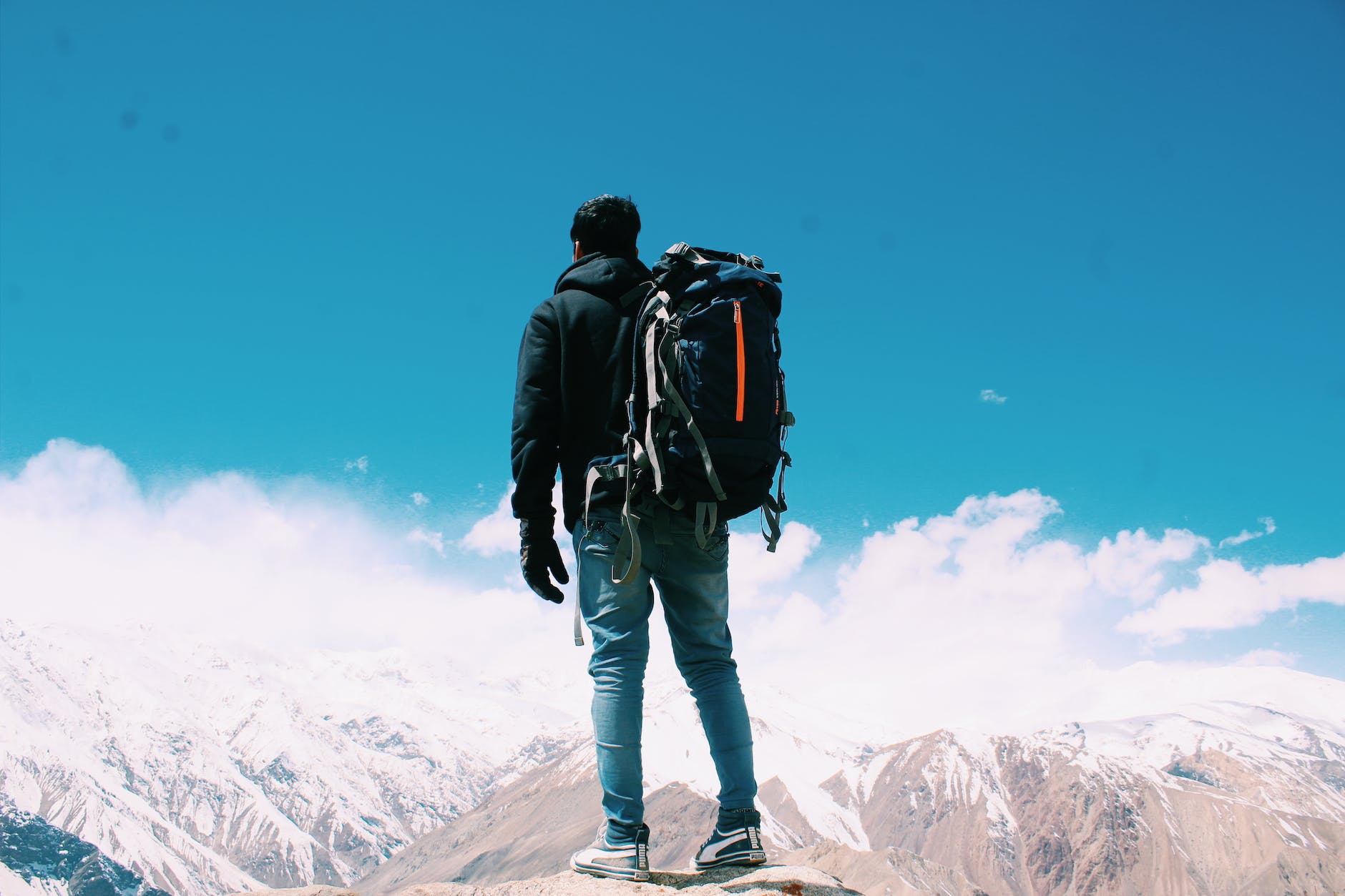
Photo by Pawan Yadav on Pexels.com

The 30 Most Loved Awesome Stocking Suffers for Hikers (2023)

As the holiday season approaches, the challenge of choosing the perfect gifts for the adventure lovers in your life begins. If you have a hiker among your loved ones, you’ll want to find presents that are practical, lightweight, and enhance their outdoor experiences. Look no further! We’ve compiled a list of ten great stocking stuffers that every hiker will appreciate and, most importantly, use.

(As an Amazon Associate, I earn from qualifying purchases. Most of the links below are paid links.)

  1. Portable Water Filter: For the hiker who loves to venture deep into the wilderness, a portable water filter is a must. These handy devices remove bacteria and parasites from water sources, ensuring safe drinking water wherever the trail may lead. The most-loved water filters are the Sawyer Squeeze and the Katadyn BeFree filter. Both of these are easy to find on amazon or backpacking sites.
  2. Headlamp: A lightweight headlamp is a gift that keeps on giving, providing hands-free illumination for campsite navigation, after-dark hikes, or any unexpected emergencies. You can find these at any outdoors store or online. The Nitecore is nice because it is particularly light.
  3. Trail Snacks: High-energy, nutritious snacks are always a welcome treat. Think energy bars, trail mix, dried fruits, or even a gourmet jerky – just the ticket for a quick refuel while on the move. Snickers bars are a particular favorite of hikers for a reward when they reach a summit.
  4. Hiking Socks: Quality socks are crucial for a comfortable hike. Look for options that offer good cushioning, moisture-wicking capabilities, and perhaps some with merino wool for warmth and breathability. Darn tough socks are the most popular because they have a lifetime warranty. However, a lot of hikers, including me, are fans of ininji toe socks as they can help minimize toe blisters.
  5. Compact Survival Whistle: It’s small, often overlooked, but potentially lifesaving. A loud survival whistle is essential for emergencies, especially if a hiker gets lost or injured. Remind your hiking loved one to attach it to their backpack should strap so they can reach it quickly in an emergency.
  6. Portable Charger: For the tech-savvy hiker, a backup battery charger provides peace of mind, ensuring their devices stay charged without needing an outlet in sight. They come in a variety of sizes–larger ones will weigh more. I used this Anker charger on my recent thru hike of the Oregon Coast Trail and I found it lasted me many days before needing a recharge, even with watching videos at night on my phone.
  7. Inspirational Hiking Book or Guide: Sometimes, the thrill of hiking comes from planning the next adventure. A book featuring the best hiking trails or personal memoirs from seasoned hikers can inspire their next journey. Choose a book of hikes for your hikers state or country or for somewhere you know they’ve always dreamed of going.
  8. Packable Rain Poncho: Weather on the trail can be unpredictable. A lightweight, packable rain poncho ensures that the hiker in your life won’t get caught in the rain unprepared. There are many options out there, but I like this zip-front poncho because it allows me to uncover my body if the rain temporarily stops and I got hot while still leaving it in place over my pack.
  9. Reusable Hand Warmers: For chilly mornings or cold-weather hikes, reusable hand warmers can provide a burst of warmth. They’re often activated by squeezing or bending and can be reset by boiling. These are available in any outdoors store whether a physical store or online.
  10. Multi-Use Bandana or Buff: These versatile accessories can be used as a headband, neck gaiter, dust mask, or even a pot holder. They’re great for managing sweat, keeping warm, or staying clean. I personally love my merino wool buff, but you can find buffs and bandanas with a variety of patterns.
  11. Personal Locator Beacon (PLB) or Satellite Communicator: For those who venture into remote areas, a PLB or satellite communicator can be a life-saving device, providing peace of mind for both the hiker and their loved ones. The Garmin Mini 2 is coveted by most backpackers, but it is quite expensive. The Spot Gen 4 is more affordable. Before you invest, though, be aware that newer iphones are supposed to have emergency satellite features.
  12. Trekking Poles: Compact and lightweight trekking poles can provide stability and support, especially on challenging terrains or during long treks. Carbon trekking poles are the lightest but aluminum are a little sturdier. Most hikers prefer poles with clip-adjusters rather than twist-adjusters, and they prefer cork handles for sweat absorption. They come in a range of prices. This is a nice, affordable starter pair.
  13. Navigational Tools: A lightweight compass or a GPS device designed for hiking purposes can be indispensable for wilderness navigation. Most people do have GPS on their phones, but there are places in the wilderness where GPS doesn’t work, and it doesn’t help if a batter runs out. Any compass will do, but make sure your hiking loved one watches a Youtube video to learn how to use it.
  14. Biodegradable Trail Soap: Perfect for hikers conscious about their ecological footprint, these soaps are safe for natural water sources. Dr. Bronner’s soap is popular with backpackers. I use it at home as well. It is concentrated and lasts a long time.
  15. Insect Repellent: A natural, DEET-free repellent can protect against insect bites without the harsh chemicals. If you choose to get a product with a high concentration of DEET, make sure your hiker knows that it can melt gear made from man-made materials.
  16. Lens Kit for Smartphones: For photography enthusiasts, these kits include macro, wide-angle, and fisheye lenses to enhance their mobile photography.
  17. Eco-Friendly Utensils: Lightweight, durable, and reusable utensils made of bamboo or titanium that they can take on their hikes. Backpackers like titanium sporks because they have the features of both a fork and a spoon in one device. Long handled options are great for those who want to eat out of a plastic bag or food container.
  18. Sit Pad: Compact and lightweight, these are useful for resting during hikes.
  19. Backpacking Stove: A backpacking stove is a compact and lightweight cooking device designed for use in the backcountry. It’s engineered for simplicity and efficiency, using fuel sources like propane, isobutane, or wood, depending on the model. This stove allows hikers to boil water and cook meals, providing a much-needed respite and energy source during rigorous adventures. Its compact size and light weight make it an indispensable item for backpackers who need to keep their gear to a minimum. The BRS stove is affordable and very light.
  20. Tent Stakes: Tent stakes, also known as pegs, are spikes (usually made of metal, plastic, or another durable material) driven into the ground to hold a tent in place. They are crucial in windy conditions, ensuring the tent stays secure regardless of the weather. These stakes come in various designs, including standard, V-shaped, or screw-in, each offering different levels of grip and soil compatibility. Lightweight yet sturdy, they are an essential part of any hiker’s shelter system. One favorite among backpacks is the MSR Mini Groundhog as it is a nice balance of sturdiness and weight.
  21. Pack Liner: A pack liner is a waterproof insert used to protect the contents of a backpack from moisture, typically made of durable, water-resistant materials like nylon or polyethylene. Used as an internal shield against rain, river crossings, or damp conditions, the liner keeps clothing, electronics, and other essentials dry. Unlike a rain cover, it protects the contents even if water seeps through the backpack material, making it an essential item for hikers traversing wet or unpredictable environments. Honestly, a trash compacter bag works great as it is thick and sturdy.
  22. Patches for Their Favorite Trails: Trail patches are embroidered or woven badges that depict landmarks, logos, or names of popular hiking trails. Collectible and often colorful, they serve as mementos of a hiker’s achievements and memories formed on different trails. Hikers often attach them to their backpacks, jackets, or hats, showcasing their adventures and serving as conversation starters with fellow trail enthusiasts. These patches are not just souvenirs but badges of honor, proudly worn. Search on amazon or etsy for your hiker’s favorite trails.
  23. Leukotape: Leukotape is a strong, adhesive tape often used by hikers and athletes to prevent blisters, stabilize joints, and manage minor injuries on the go. Its high tensile strength and rigid construction provide support and protection in high-friction areas, especially on feet prone to blisters. Unlike regular medical tape, Leukotape is designed to withstand moisture, sweat, and long periods of wear, making it a reliable and versatile part of any hiker’s first-aid kit. I absolutely do not hike without it.
  24. Collapsible Cup or Bowl: Perfect for the minimalist hiker, these can be used for both eating and drinking while taking up minimal space. These cups are great for drinking coffee out of while eating your meal out of your pot.
  25. Adventure Journal: A journal that prompts them to explore and record their experiences can be a unique gift that they’ll cherish. Any small notebook or journal will work.
  26. Stargazing Guide: For the night-time adventurer, a guide to the stars can add something special to their overnight hiking trips.
  27. Thermal Imaging Camera: For the tech geek, a thermal imaging camera that attaches to their phone can be both fun and practical. Be warned: they aren’t cheap.
  28. Portable Spice Kit: Just because they’re on the trail doesn’t mean they can’t enjoy a gourmet meal! A spice kit can be a fun way for hikers to spice up their trail meals. The kit can include small ketchup packets saved from fast food restaurants as well as snack sized baggies filled with spices from your kitchen. Label them neatly and you have a great homemade gift.
  29. Lip Balm with SPF: Protecting lips from the elements is often overlooked. A quality lip balm with sun protection is a must-have in any pack. You can find these at any grocery check out counter if you are in the U.S.
  30. Gift Cards to Outdoor Stores: Let your loved one choose their own gear or replace well-worn items. A gift card to their favorite outdoor store can be a hit. REI or Cabellas are great options in the U.S., or see if their favorite online store offers gift cards.

Remember, the best gifts are those that show thought, care, and understanding of the recipient’s passions. Any of these stocking stuffers will not only be appreciated by hikers but also likely become essential items on their future trails. So this holiday season, equip the hikers in your life with gifts that fuel their passion and enhance their hiking experience! Happy gifting!

Photo by Any Lane on Pexels.com

10 Easy Ramen Backpacking Meals: Recipes for the Trail

If you’re looking for some easy, delicious and creative ways to spice up your ramen noodles on the trail, you’ve come to the right place. In this blog post, I’m going to share with you the elements of a good ramen meal, followed by some of my favorite recipes for using ramen when backpacking. These recipes are simple to make, require minimal ingredients and cooking time, and most importantly, taste amazing. Plus, they’re budget-friendly and lightweight, so you can pack more of them without breaking the bank or your back. So grab your pot, a backpacking stove and spoon, and let’s get cooking!

Elements of a Good Ramen Meal

The Ramen: Maruchan ramen, in various flavors, is the most commonly found product, but start with any brand you love (or can find when you resupply). You can also start your meal off with one of the many ramens that comes in its own bowl, assuming you have space in your pack.

(As an Amazon Associate, I earn from qualifying purchases. Most of the links below are paid links.)

Protein: At the end of a day of hiking, you will need a good protein source. While the ramen packet itself contains some protein within the spice mix, generally around 4 g, you should add additional protein from a plant or animal source. Some good options include tuna packets, Spam, shredded jerky, and dried refried beans (make sure any beans you take have been fully cooked or you can get very sick).

Dried Vegetables: Dehydrated vegetables are easy to find at grocery stores but can be harder to find if you are doing a resupply at a convenience store. Some good options to look for include mushrooms, vegetable soup mixes, chopped onions, dried potatoes, sundried tomatoes, spinach flakes, and freeze dried peas.

Fat Source: Including fat in your diet is important, especially when you are very active. It improves the mouth feel of your food in addition to adding nutrition and calories. Some great options for backpackers include carry a tiny bottle of olive oil, peanut butter, cheese sticks, and nuts and seeds.

Spices and Mix-Ins: Also include some ingredients that add flavor or texture, especially if you choose not to use the seasoning provided with your ramen. Salt and pepper are musts. Garlic powder or garlic salt can really improve a meal. Italian seasoning or other mixtures can be helpful. See the recipes below for some great combinations.

Ramen Recipes for Backpacking

For each of the following recipes, add any ingredients you want to rehydrate (such as dried veggies) into the pot with the water as you cook your ramen. Other ingredients can be added after the noodles are cooked. Add the spice packet provided with your noodles unless otherwise indicated.

  1. Ham and Cheese Ramen: Ramen package of choice, dehydrated ham or Spam, dried peas, 1 cheddar cheese stick or 1/4 c cheese powder, 1/4 c powdered milk (optional), crushed red pepper to taste.
  2. Fast-Food-Packet Spicy Ramen: Ramen of your choice, dried chopped green onions, shredded jerky of your choice, dried shitake mushrooms, salt to taste, 1 packet soy sauce (from a fast food restaurant), 1 packet sesame oil (from a fast food restaurant), sriracha packet (if available, or substitute with a ketchup packet and a hot spice such as red pepper).
  3. Italian Ramen: Beef Ramen packet, dehydrated ground beef or sausage, dehydrated tomato powder (or ketchup), dehydrated onions, and Parmesan cheese. Season it with salt, pepper, basil, and oregano to your taste.
  4. Mexican Flavored Ramen (Vegetarian): Ramen packet of choice (soy flavor is vegetarian), fully cooked beans, dried tomatoes, dried onions, dried corn, chili powder, soy sauce packet (optional).
  5. Peanut Butter Ramen (Vegetarian): Ramen packet of choice (soy flavor is vegetarian), peanut butter, soy sauce packet, garlic powder or garlic salt, dried ginger, and Sriracha packet (if available, or else ketchup packet with red paper to taste).
  6. Thai Peanut Shrimp Ramen: Shrimp ramen packet, dried shrimp, peanut butter, coconut milk powder, curry powder, lime juice powder or flavoring, and dried cilantro. This can be made with chicken ramen and a packet of cooked chicken if preferred.
  7. Ramen with Cheese and Bacon Bits: ramen packets, cheese slices, bacon bits, and dried green onions.
  8. Ramen Bomb: ramen packet, instant mashed potatoes, Spam or tuna, and Sriracha sauce (or ketchup packet with spice),
  9. Curry Ramen: ramen packet, instant mashed potatoes, dried meat of choice, coconut milk powder, curry powder, lime juice powder or flavoring, and cilantro.
  10. Ramen with Tuna and Mayo: ramen packet, tuna packet, mayonnaise packet, and relish packet (if available).
  11. Ramen with Peanut Butter and Jelly: ramen packet, peanut butter, jelly packet, crushed granola bars.
  12. Peanut Coconut Ramen: ramen packet, peanut butter, coconut milk powder, curry powder, brown sugar packet, fish sauce packet, cashews, chicken or tuna packet.
  13. Peanut Ginger Ramen: ramen packet, peanut butter, soy sauce packet, rice vinegar packet, sugar packet, dried ginger, packet of tofu or other protein, dried seaweed.
  14. Pizza Ramen: ramen package, ketchup packets, dried mushrooms, summer sausage pieces, dried Italian spice, cheese sticks.

Cold Soaking Ramen

If you’re looking for a tasty and satisfying meal on the trail, cold soaking ramen is a great option. You don’t need any stove or fuel, just some dry ramen noodles, water, and a few extras. Before you hit the road, break up the noodles into a ziplock bag or a reusable container, and add your preferred seasonings or flavor packets. When you’re ready, fill the bag or container with water and let it sit for at least four hours. The noodles will soak up the water and become tender and flavorful. You can then drain the water and add some nuts, seeds, dried fruits, or jerky for extra protein and crunch. Enjoy your cold soaked ramen as a hearty and satisfying meal on the go!

The 17 Best Ways to Prevent Knee Pain when Hiking Downhill

Hiking down steep hills poses its own challenges, particularly to the knees. These 17 strategies to use before, during, and after hiking can help reduce your risks and recover quickly.

Photo by aditya ganpule on Pexels.com

Keep in mind that downhill knee pain can affect anyone. On one particularly steep decent during my thru hike of the Camino de Santiago, I noticed it was more often older and heavier people who had knee pain. However, at age 56 and overweight I had no pain while my 18 year old thin daughter did. Be proactive about protecting your knees and you can prevent pain before it even starts.

(As an Amazon Associate, I earn from qualifying purchases. Many of the links below are paid links.)

Preparation & Equipment Tips

Before you head out to hiking up and down hills and mountains, you should prepare your body and make sure you have the best quality equipment. My first tips for you focus on that preparation.

1. Strengthen your leg muscles. Stronger muscles can support your joints better and absorb more shock when hiking. Focus on exercises that target your quadriceps, hamstrings, calves and glutes, such as squats, lunges, leg presses and bridges. There are several exercise programs that are specifically designed for knees. I have had good luck with this program, Treat Your Own Knee, and have enjoyed using the SCOOP lateral knee cycle as I watch television. Also, work on your balance. This balance disk is great for improving ankle strength and balance. 

Squats with good form

2. Wear knee braces or sleeves. They can provide compression and stability for your knees, which can prevent or reduce pain and inflammation. I find that Bauerfeind is a top notch brand for sports use. However, braces are not a substitute for proper preparation and technique. You can still injure your knees while wearing them. Another option is to use KT tape to add support to the joint. You can watch how to apply it correctly to the knee here.

3. Use one or two walking poles. Poles can help reduce the load on your knees by up to 25%, as well as improve your balance and stability. Adjust the length of your poles so that your elbows are at a 90-degree angle when holding them. You will need to lengthen them for going downhill. To properly hold a hiking pole, put your hand upward through the wrist loop and hold the grip. This approach allows you to rest your arms against the loops as you hike. When hiking downhill, some hikers switch to a hand-on-top grip as is done with a cane, so that they can use the poles better for balance. Most people prefer poles with cork handles to absorb sweat and flip locks to adjust the height. For most hikers, a budget pair of poles will work fine. If you are a long distance backpacker, however, you might wish to invest in an extra lightweight pair, such as those made by Leki

Photo by PNW Production on Pexels.com

4. Wear high quality trail runners, hiking shoes, boots. They can provide better support, cushioning and traction for your feet, which can reduce the strain on your knees. Make sure they fit well and are comfortable. You are looking for stability so that you don’t twist an ankle, but you want to maintain some ground feel so that you can place your feet most safely. Generally, you will want your shoes or boots one size larger than you usually wear so that you have lots of room if your feet swell and room to wiggle your toes. When your shoes are laced tightly, your toes should not butt up against the fronts of your shoes when walking down a step slope. If your toes do hit the front, you are at risk of sore toes, blisters, and losing a nail.

Be aware that there is a pretty healthy debate among hikers regarding boots versus trail runners. Those who love boots insist that the extra ankle support is necessary. The trail runner lovers feel like it doesn’t the ankle support doesn’t really make a difference and trailrunners are lighter and more comfortable. Similarly, there is a debate over waterproof (such as Goretex) and non-waterproof options. Many like the security of waterproof shoes. Others feel that the insides of any shoe or boot will get wet anyway from sweat or streams and non-waterproof shoes will dry out much faster. I prefer non-waterproof trailrunners, but my hiker-daughter swears by waterproof boots. 

Hikers also tend to be loyal to their shoe or boot brands. The most commonly used shoe on the Appalachian trail is the Altra Lone Peak. They are famous for their “zero drop” (toe and heel at same level) and wide toe box, and they come in high and low top, waterproof and non-waterproof versions, men’s and women’s. Other popular trail running shoes include Salomon, and Hoka. Some great boots include the Merrell Moab 3 and the Keen Targhee III.

5. Add good insoles. The insoles that come in you shoes or boots are not always ideal, especially if you have problem feet, ankle, hips, or knees. There are some good off-the-shelf options such as Superfeet. However, you might find that custom insoles, either provided by a medical professional or fitted through various online companies, will improve your gait and thereby reduce knee pain. I personally use Upstep custom insoles.

6. Don’t forget good socks. Top quality socks will cushion your feet, keep them dry and warm, and prevent blisters. The majority of hikers and backpackers use wool, and Darn Tough is easily the most popular brand. A small but loyal group, including myself, uses Ininji socks, with the separating toes supposedly providing extra blister protection. 

Tips to Use While Hiking

7. Build up the difficulty slowly. Starting any new activity without first building up slowly has the potential to lead to a range of injuries. Gradually increase your distance, elevation and difficulty of terrain. Declines can range in difficulty not just due to steepness and elevation loss. They can be rocky, which risks twisting knees or ankles, or even falling when going downhill. Alternatively they can be muddy or slippery for other reasons. Don’t just assume a hike will be easy because it is downhill. Gain experience with smaller hills so you know how your body, including your knees, will react, so that your muscles are stronger, and so that you have good enough technique to avoid injury.

8. Descend slowly. It is easy to want to rush down a hill to make up for lost time after a slow, steep ascent. However, hiking downhill puts more stress on your knees than hiking uphill, so take your time and don’t rush. Take breaks and always stay in control of your pace.

9. Take smaller steps. Over-striding is another temptation for some. However, this puts you at greater risks of injury or falls. Taking smaller steps reduces the impact on your knees and helps you maintain balance and control. Take your time and enjoy the scenery.

10. Adopt the right position. The best method is to walk tall and in an upright position, keeping your torso over your hips and knees. It can even help to lean slightly forwards to improve stability. Also keep your knees a little bent, or soft, to allow for easier hiking downhill safely.

11. Walk in zigzags. Instead of walking in a straight line down the slope, zigzag back and forth as if you were on switchbacks. Unless the trail is very narrow, you can walk diagonally from one side of the trail to the other. This reduces the steepness of the slope and the stress on your knees. It does take longer than walking straight down, and of course it adds to your mileage, but the relief to your knees can be worth it.

12. Stretch before and after hiking. Stretching can improve your flexibility and range of motion, which can prevent stiffness and injury. Focus on stretches that target your quadriceps, hamstrings, calves and hip flexors, such as standing quad stretch, hamstring stretch, calf stretch and kneeling hip flexor stretch. I often will also stretch mid-hike every time I take a break.

Stretching the quad muscle.

13. Hydrate and fuel properly. Drinking enough water and eating nutritious snacks can help keep your muscles hydrated and energized, which can prevent cramps and fatigue. Aim for at least half a liter of water per hour of hiking, and eat snacks that contain carbohydrates, protein and electrolytes. One guideline a nutritionist shared is to drink every 15 minutes, eat carbohydrates every hour, and eat protein after four hours. This approach works well for me.

14. Rest when needed. It’s is generally more natural to take breaks on uphill sections than on downhills, as downhills don’t tend to get our hearts racing as much. However, taking breaks even on downhill sections can help you recover and prevent overexertion, which can lead to pain and injury. Stop whenever you feel tired or sore, stretch, and elevate your legs if possible to reduce swelling. Particularly focus on massaging and stretch your quads, as they tend to get sore on long downhills.

After Hiking Tips

15. Ice your knees after hiking. Applying ice packs or cold compresses to your knees can help reduce inflammation and pain. Do this for 15 to 20 minutes at a time, several times a day until any pain subsides.

16. Take anti-inflammatory medication. Over-the-counter drugs such as ibuprofen or aspirin can help relieve pain and inflammation in your knees. However, they are not a long-term solution and should be used with caution. Many hikers overuse ibuprofen, often jokingly referred to as “Vitamin I.”

17. See a doctor if the pain persists or worsens. Knee pain that does not improve with rest and home remedies may indicate a more serious problem, such as a sprain, strain, tear or fracture. Seek medical attention if you experience severe pain, swelling, bruising, redness, warmth or difficulty moving your knee. A doctor can refer you to a good sports physical therapist. Personally, I have had luck overcoming knee pain quickly with dry needling, a form of acupuncture. In the United States, some physical therapists and chiropractors offer dry needling.

Summary

I hope these tips help you enjoy hiking downhill without knee pain. Be proactive about taking care of your knees, and you will prevent a problem before it even starts.  For uphill hiking tips, please read my post, The 25 Best Health and Fitness Benefits of Uphill Hiking.

Photo by Albert White on Pexels.com

The 25 Best Health and Fitness Benefits of Uphill Hiking

Hiking uphill is a simple and effective way to improve your physical and mental health, as it burns more calories, strengthens your muscles and bones, lowers your risk of chronic diseases, and boosts your mood and energy compared with walking on a flat surface. Whether you hike up a steep hill, or use an inclined treadmill, you can get a great workout.

25 Benefits of Hiking Up a Large Hill

Below are 25 great benefits of modest as well as steep incline hiking, followed by some tips:

1. Helps boost your heart rate. Hiking on an incline increases the intensity of your workout compared to walking on flat surfaces and raises your heart rate, which improves your cardiovascular fitness and endurance.

2. Burns more calories than walking on a flat surface. Walking on an incline requires more energy and effort than walking on a level ground, which means you burn more calories and fat.

3. Builds your glutes and hamstrings. Uphill hiking activates and strengthens the muscles in your posterior chain, such as your glutes (your large buttocks muscles), hamstrings (back of your thigh), and lower back.

4. Challenges your calves. Walking up a hill puts more stress and tension on your calf muscles than walking on flat terrain, which helps them grow and tone.

5. Provides a lower-impact workout than running or downhill hiking. Hiking uphill is gentler on your joints than running or downhill hiking, especially if you do it on soft dirt or a treadmill with a cushioned surface.

6. Improves your balance and stability. Walking on an incline engages your core muscles and challenges your sense of balance, which improves your posture and stability.

7. Enhances your mood and mental health. Hiking up a hill releases endorphins and serotonin, which are hormones that make you feel happy and relaxed. Making it to the top of a steep hill can be an especially big boost, and even more so if you are rewarded by a glorious view.

8. Reduces the risk of diabetes. Walking up hills helps lower your blood sugar levels and improves your insulin sensitivity, which reduces the risk of developing type 2 diabetes, even more than hiking on level ground or downhill because you are making greater gains to your fitness.

9. Lowers your blood pressure. Hiking on hills helps lower your blood pressure by improving your blood circulation and reducing the strain on your heart as you work hard to make it up a steep hill.

10. Strengthens your bones and joints. Hiking uphill helps increase your bone density and prevent osteoporosis because it is such a weight bearing activity. The constant motion also helps to lubricate your joints and prevent arthritis.

11. Boosts your immune system. Walking on an incline helps stimulate your lymphatic system, which is responsible for fighting infections and removing toxins from your body.

12. Increases your lung capacity. Hiking up a large hill helps improve your breathing and oxygen intake, which increases your lung capacity and prevents respiratory problems. There are few activities that get your lungs working so completely that reward you with beautiful views at the end.

13. Improves your sleep quality. Walking up steep hills helps regulate your circadian rhythm and melatonin production, which improves your sleep quality and duration. In addition, the physical exhaustion and sense of accomplishment promote great sleep.

14. Prevents muscle loss. Incline hiking helps preserve and build lean muscle mass, which prevents muscle loss due to aging or inactivity, especially for your lower body.

15. Reduces the risk of heart disease. Walking on an incline helps lower your cholesterol levels, including triglyceride levels, and prevent plaque buildup in your arteries, which reduces the risk of heart disease and stroke. The heart pounding that comes while you are struggling up a steep hill keep your blood flowing and arteries clear.

16. Supports weight management. Hiking up hills helps you maintain a healthy weight by increasing your metabolism and suppressing your appetite. Depending on your body size, fitness level, steepness, and your hiking speed, you can hike hundreds of extra calories per hour hiking uphill.

17. Enhances brain function. Uphill walking helps improve your cognitive function and memory by increasing blood flow to the brain and stimulating new brain cells.

18. Reduces stress and anxiety. Walking on an incline helps calm your nervous system and reduce stress and anxiety by releasing tension and promoting relaxation.

19. Increases your confidence and self-esteem. Hiking up steep slopes helps boost your confidence and self-esteem by improving your physical appearance and performance. There is no better feeling than knowing you were able to make it to the top!

20. Prevents back pain. Walking on an incline helps prevent and relieve back pain by strengthening your core and back muscles and improving your posture.

21. Improves your digestion. Uphill hiking helps improve your digestion by stimulating your intestinal muscles and preventing constipation.

22. Prevents varicose veins. Incline hiking helps prevent varicose veins by improving your blood circulation and preventing blood pooling in your legs.

23. Reduces inflammation. Walking on an incline helps reduce inflammation by lowering the levels of inflammatory markers in your body due to how you challenge your body during the exercise.

24. Prevents depression. Hiking up slopes helps prevent depression by increasing the levels of serotonin and dopamine in your brain, which are neurotransmitters that regulate mood and motivation.

25. Increases your lifespan. Hiking in the mountains helps increase your lifespan by reducing the risk of chronic diseases and improving your overall health and well-being.

Hiking Options

Of course, there are many types of hikes you can choose to take—flat, uphill, or downhill walks. You can walk on trails, roads, beaches, or treadmills, inclined or not. You can choose to walk briskly on flat terrain instead of challenging yourself with a steep hill. However, I hope I’ve convinced you that seeking out uphill day hikes or backpacking trips can be worth it.

Tips for Uphill Hiking

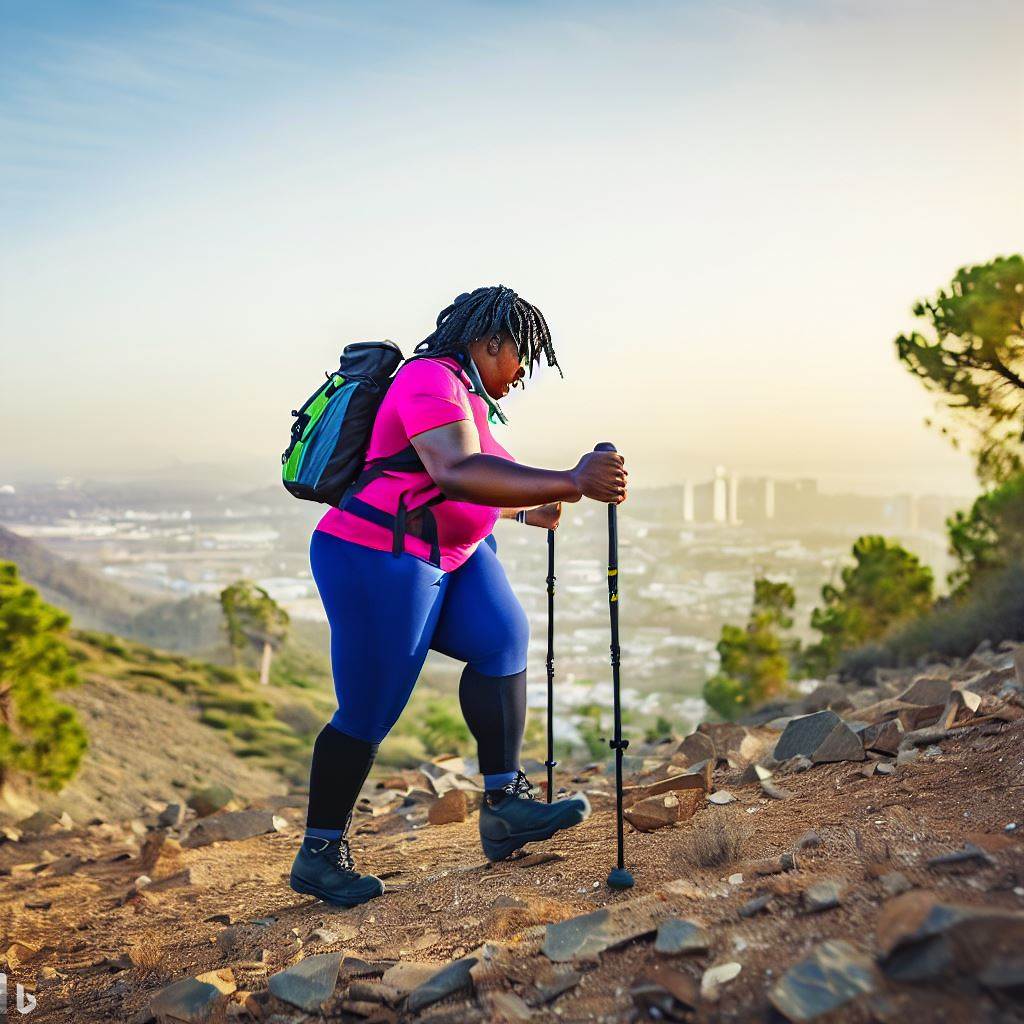
Hiking uphill can be challenging when you first start out. As with any fitness routine, you should start slowly and build up your ability gradually. Generally, I find that the steepness of the hill matters more to the difficulty than the mileage covered. You will probably find that you can walk for longer periods and achieve greater total elevation gains when the slope is more gradual. You may find you need to rest more often on steeper slopes.

To have most success with least strain on your body, walk with good posture, trying not to look at your feet or the ground just in front of you. You will tire more slowly if you take shorter steps, though it is often tempting to over-stride to get to the top more quickly. The use of one or two hiking, or trekking, poles can be helpful as they take some of the strain off your legs.

Make sure when you hike hills that you carry more water and drink more often than you would on flat terrain. You will be sweating more and can easily become dehydrated. I personally find that I also need to carry a drink with electrolytes, like Gatorade, when I am doing much uphill hiking.

Training for Hills

Of course, the best training for hiking hills is hiking them as much as possible, but in some locales it isn’t easy to get to big hills or mountains every day. I will often do hill repeats, hiking up and down the biggest hill I can reasonably get to, to simulate as well as I can hiking up one much larger mountain. Great exercises to do at home or the gym include calf raises and squats. If you have access to a Stairmaster, it will build your strength and stamina for hills quickly. Whatever exercise routine you choose, keep in mind that if you are significantly straining your muscles, then you need rest days for those muscles to recover.

Injury Risks

The biggest risk to your body of hiking hills is generally to your knees, and that is most commonly a problem of downhill hiking. To help reduce that risk use two hiking poles, do not over-stride, and try to land gently with soft knees. There are great exercise programs available to strengthen knees and you should consider using these before a hiking trip with an unusually steep decline, especially if you have added additional stress from a heavy pack. For more tips about hiking downhill, see my post, The 17 Best Ways to Prevent Knee Pain When Hiking Downhill.

In addition to pain in your knees, watch for lower back pain and pain in other joints. If you do hurt your knees or other joints or muscles, you can get help from a physical therapist. I have had great luck with quickly eliminating my own knee pain with dry needling, a form of acupuncture, available from many chiropractors and physical therapists.

Summary

Uphill hiking has many benefits to your health.  Just start off slowly, pay attention to any aches and pains, get adequate rest, and get help from medical professionals as soon as possible if you have any pain beyond normal muscle soreness.

How to Stay Safe in a Thunderstorm when Backpacking

Backpacking is a great way to explore nature and enjoy the outdoors. But sometimes, the weather can be unpredictable and you may find yourself caught in a thunderstorm. Thunderstorms can be dangerous, especially if you are in an exposed area or near metal objects. Lightning can strike up to 10 miles away from the storm cloud, so you need to be prepared and act quickly if you hear thunder or see lightning.

Here are some tips on how to stay safe in a thunderstorm when backpacking:

1. Avoid Open Fields And Isolated Trees

One of the best ways to stay safe in a thunderstorm when backpacking is to stay away from open fields. These areas offer no protection from lightning and make you an easy target. You should also avoid standing near isolated trees or other tall objects, such as poles, antennas, or fences. These can attract lightning and cause side flashes, which are when lightning jumps from one object to another.

2. Get Below The Treeline

You should also try to avoid the summits of mountains or ridges, and any hiking above the treeline. These places are more likely to be struck by lightning and have less cover. If you are on a high elevation trail and see a storm approaching, descend as quickly as possible to a lower area with more trees. The trees will help disperse the electric current and reduce the risk of a direct strike.

3. Descend To Lower Elevations

If you are in a valley or a depression in the terrain, you are in a better position than being on a hill or a ridge. However, you should still be careful and avoid standing in water or near wet rocks. Water conducts electricity and can increase the chance of getting shocked by ground current, which is when lightning travels through the ground after striking an object. You should also avoid metal objects, such as metal-frame backpacks or hiking poles, and keep them at least 100 feet away from you.

4. Don’t Stand In Water

Water is one of the worst places to be in a thunderstorm. Not only does it conduct electricity, but it also increases your exposure to lightning by making you taller than your surroundings. If you are near a lake, river, or stream, get out of the water and move away from the shore. If you are crossing a bridge or a metal structure over water, get off it as soon as possible.

5. Separate From The Rest Of Your Group

If you are backpacking with others, you should spread out and keep at least 100 feet apart from each other. This way, if one person gets struck by lightning, the others will not be affected by the electric current. It also reduces the chance of multiple casualties and makes it easier for rescuers to find you.

Conclusion

Thunderstorms can be scary and dangerous, but they don’t have to ruin your backpacking trip. By following these tips, you can reduce your risk of getting injured by lightning and stay safe in a thunderstorm when backpacking. Remember to check the weather forecast before you go, plan your hike accordingly, and seek shelter as soon as you hear thunder or see lightning.

Sources:

¹: How To Stay Safe In A Thunderstorm When Backpacking
²: Lightning Safety – American Hiking Society
³: Camping in a Thunderstorm: a Guide To Staying Safe
⁴: Hiking in a thunderstorm: how to stay safe – Hikeheaven

Everything you need to know about socks for hiking

Socks may not be the most glamorous part of your hiking gear, but don’t underestimate their importance! Wearing the wrong socks on a hike can lead to blisters, sweaty feet, and an uncomfortable experience on the trail. So, let’s dive into everything you need to know about socks for hikers and make sure you’re ready to conquer any trail in comfort and style!

First things first, let’s talk about materials. Synthetic materials like polyester and nylon are great at wicking away moisture from your feet, keeping them dry and comfortable. On the other hand, natural materials like merino wool provide insulation and temperature regulation to keep your feet warm in the cold and cool in the heat.

Next up, fit! It’s crucial to find socks that fit snugly without being too tight or too loose. You don’t want them bunching up or slipping down while you’re hiking, which can lead to painful blisters and a frustrating experience.

Cushioning is also an important factor to consider. If you’re hiking on rocky terrain or for long distances, you’ll want socks with more cushioning to provide extra support and prevent sore feet. For smoother terrain or shorter hikes, less cushioning may suffice.

The height of your socks can also make a big difference. Look for socks that cover your ankles to prevent rubbing against your hiking boots, and consider higher socks for added support and protection.

Compression socks are a popular choice for long-distance hikers, as they can improve blood flow and reduce swelling in the feet and legs. However, they may not be necessary for shorter hikes.

Layering your socks is another great way to improve your comfort and prevent blisters. A thin liner sock can wick away moisture and prevent friction, while a thicker outer sock provides cushioning and support.

Last but not least, proper care of your socks can help them last longer and perform at their best. Wash them in cool water and air dry them to prevent shrinkage and damage to the fibers. Avoid using fabric softener or bleach, as they can weaken the fibers and reduce the performance of your socks.

Socks may seem like a small detail in your hiking gear, but they can make a big difference in your comfort and performance on the trail. So, choose your socks wisely, and get ready to hit the trails in style and comfort!

isolated on white background red socks made of wool at home

How to Safely Cross a Stream

Crossing streams can be a daunting task for hikers, especially for those who are new to the activity. Streams can be unpredictable and may have a strong current that could cause injury or even be life-threatening. However, with the right precautions and techniques, hikers can safely cross a stream and continue their journey. In this article, we’ll share some tips on how hikers can safely cross a stream.

  1. Choose a Safe Crossing Point
    The first and most important step when crossing a stream is to choose a safe crossing point. Look for a spot where the water is shallow, and the current is slow. Avoid areas where the water is deep or has a strong current, as these can be dangerous. Also, be aware of any obstacles in the stream such as rocks, logs or debris that may pose a risk.
  2. Assess the Water Depth and Current
    Before stepping into the water, assess the depth and current of the stream. Use a hiking stick or trekking pole to measure the water depth and gauge the strength of the current. If the water is above knee height or the current is strong, reconsider crossing or find an alternate route.
  3. Loosen Your Backpack and Secure Valuables
    While crossing a stream, it is important to loosen your backpack straps to ensure that you can easily slip it off if you lose your balance or get swept away by the current. Also, secure your valuables such as your phone, wallet, and camera in waterproof bags to prevent them from getting wet or damaged.
  4. Wear Proper Footwear
    Wear proper footwear such as water shoes or hiking boots with good traction to help you maintain your footing while crossing a stream. Avoid sandals or flip flops as they offer little protection and can easily slip off.
  5. Use a Hiking Pole or Stick for Stability
    Using a hiking pole or stick can provide added stability while crossing a stream. Use the pole or stick to probe the stream bed for hidden rocks or obstacles and to help you maintain your balance.
  6. Cross at a 45-Degree Angle
    When crossing a stream, it is best to cross at a 45-degree angle to the current. This allows you to maintain your balance and reduce the force of the current. Take small, deliberate steps and keep your weight over your feet to maintain stability.
  7. Cross with a Partner
    Crossing a stream with a partner can provide added safety and support. Cross the stream together, holding onto each other’s arms for added stability. If one person slips or falls, the other can provide support and help them regain their balance.

In conclusion, crossing a stream can be a challenging and potentially dangerous task for hikers. However, with the right precautions and techniques, hikers can safely cross a stream and continue their journey. By choosing a safe crossing point, assessing the water depth and current, loosening your backpack, wearing proper footwear, using a hiking pole, crossing at a 45-degree angle, and crossing with a partner, you can safely navigate even the most challenging streams.

Follow the Hiker Chick blog for hiking tips and inspiration!

10 Great Mothers Day Gifts for the Outdoor Lover

(As an Amazon Associate, I earn from qualifying purchases. Most of the links below are paid links.)

1. A hammock to relax and enjoy the outdoors in comfort.

Beautiful white hammock

2. A set of hiking poles for the adventurous mom who loves to hit the trails.

Lightweight hiking poles

3. A personalized water bottle or hydration pack for the mom who loves to stay hydrated on the go.

Beautiful water bottle

4. A portable camping chair for the mom who loves to spend time around the campfire.

Light camping chair

5. A set of binoculars for the mom who loves birdwatching or wildlife spotting.

Portable binoculars

6. A waterproof backpack to keep her belongings safe and dry on outdoor adventures.

Waterproof backpack

7. A personalized compass or GPS device to help her navigate the great outdoors.

Engraved compass necklace

8. A portable outdoor grill or smoker for the mom who loves to cook and entertain outside.

Stainless portable grill

9. A book or set of outdoor-themed books or magazines for the mom who loves to read and learn about nature.

Treasury of birds

10. A personalized gardening kit with high-quality tools and seeds for the mom who loves to tend to her garden and grow her own food.

Gardening set