Embracing the Cold: Best Winter Thru-Hikes for Adventurous Souls
Winter might be a time for cozy firesides and hot chocolate for some, but for adventure-seekers, it opens a wonderland of hiking opportunities on long trails. With fewer crowds, serene landscapes, and the unique challenge that the snowy season brings, winter thru-hiking can be a magical experience over many miles of trails. Let’s explore some of the best winter thru-hikes where you can embrace the chill on the entire trail. If you have any hiking loved ones, also review these stocking stuffer ideas!
The United States
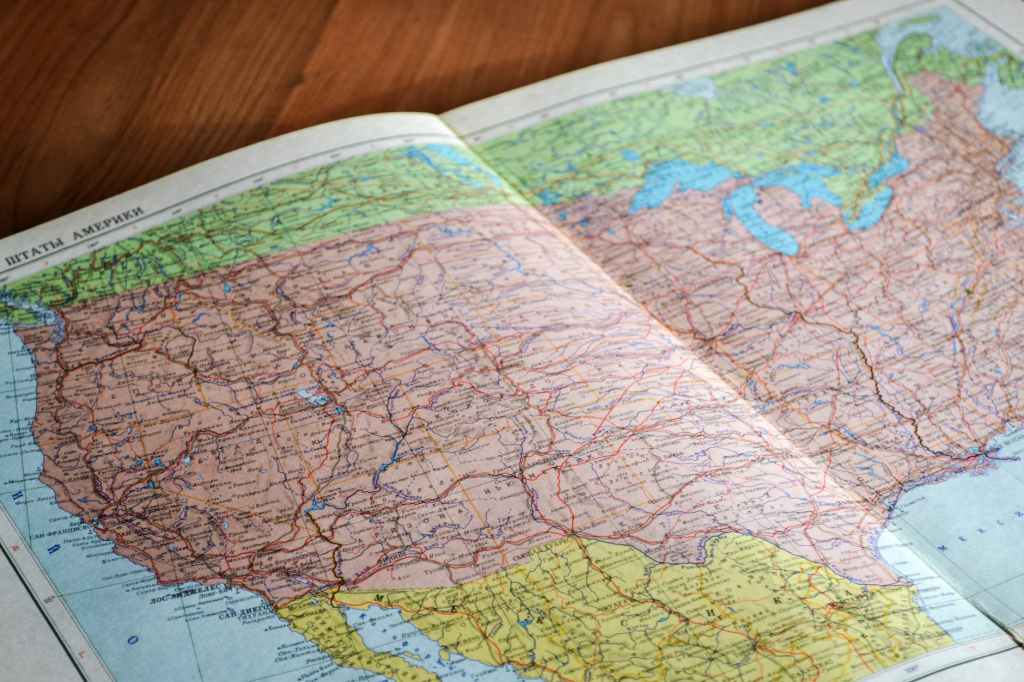
1. The Florida Trail:
Escape the snow but keep the spirit of winter on the Florida Trail. Spanning over 1,500 miles, the trail offers a unique blend of swamplands, forests, and prairies.
- Highlights: Encounter diverse wildlife, from alligators to a rich variety of birds, and enjoy the relatively cool Floridian winter, perfect for hiking.
- Challenges: Prepare for wet conditions, especially in the swamp areas. Also, careful planning is required as some sections may have restricted access.
2. The Arizona Trail: This 800-mile trail spans the whole length of Arizona, from Mexico to Utah, offering deserts, forests, and even snowy mountains during winter.
- Highlights: Incredible desert sunsets, unique flora and fauna, and the opportunity to hike in snow in the higher regions like the San Francisco Peaks.
- Challenges: Days are short, and temperatures can vary drastically between day and night. Snow can be a challenge in northern sections.
3. The Lone Star Hiking Trail, Texas: Located in the Sam Houston National Forest, this 96-mile trail (with additional loop and crossover trails) is best enjoyed in the winter months when the weather is mild and the wildlife is abundant.
- Highlights: Beautiful pine forests, East Texas bayous, and less foot traffic, providing a solitary experience.
- Challenges: Trail markings are sometimes infrequent; careful navigation is required. Be prepared for wet conditions and muddy trails.
4. The Ouachita National Recreation Trail, Arkansas and Oklahoma: Spanning 223 miles through the Ouachita Mountains, it’s one of the country’s longest continuous trails. Winter brings cooler temperatures, making the journey more comfortable.
- Highlights: Rolling mountain vistas, numerous rock formations, and crystal-clear streams. Winter’s leaf-off conditions provide better views.
- Challenges: Some parts of the trail are remote, requiring careful planning and self-sufficiency. Winter storms can make travel difficult, especially in higher elevations.
Australia and New Zealand

5. The Te Araroa Trail, New Zealand:
Experience the Southern Hemisphere’s summer from December through February on this trail, which stretches 3,000 kilometers across New Zealand, from Cape Reinga in the north to Bluff in the south.
- Highlights: Incredible diversity, including beaches, forests, and mountains. You’ll experience the rich Maori culture and unparalleled Southern Hemisphere landscapes.
- Challenges: This is a long trek requiring comprehensive preparation and self-sufficiency. Sections can be remote, and weather can change rapidly.
6. The Bibbulmun Track, Australia: One of the world’s great long-distance walking trails, the Bibbulmun Track stretches nearly 1,000 kilometers from Kalamunda, a suburb in Perth, to the historic town of Albany.
- Highlights: The track goes through tranquil forests, pristine coasts, and rugged terrains, with shelters spaced a day’s walk apart.
- Challenges: Water can be scarce, and portions of the track are remote with few resupply points. Bushfires are a summer risk; always check local conditions.
Africa

7. The Fish River Canyon Trail, Namibia:
One of the largest canyons in the world, Fish River Canyon, offers a stunning 85-kilometer hike perfect during the Southern Hemisphere’s summer.
- Highlights: Dramatic canyon landscapes, unique flora and fauna, and night skies perfect for stargazing.
- Challenges: The terrain can be rugged with steep descents and ascents, and it’s essential to be self-sufficient during the 4-5 day hike.
8. The Otter Trail, South Africa:
Another gem from the Southern Hemisphere, this 5-day, 42-kilometer trail along the Garden Route is a spectacular hike during the local summer months.
- Highlights: Coastal cliffs, lush forests, and refreshing ocean swims. The trail offers comfortable huts for overnight stays.
- Challenges: The trail involves some river crossings that can be dangerous after heavy rains, and it’s notoriously difficult to book due to popularity.
9. The Drakensberg Grand Traverse, South Africa: This high-altitude, 200+ kilometer trek is not a formal trail but a collection of established routes through the Royal Natal National Park and traverses the entire Drakensberg range.
- Highlights: Spectacular views, unique flora and fauna, and a sense of true wilderness. Pass through dramatic landscapes including high peaks and vast grasslands.
- Challenges: Unpredictable weather can include sudden storms. The route requires navigational skills and is physically demanding.
Europe

10. The Rota Vicentina, Portugal:
Europe’s mild coastal winter awaits you on the Rota Vicentina. Choose between the 230-kilometer Historical Way or the 120-kilometer Fishermen’s Trail, or combine them for an extended journey.
- Highlights: Breathtaking coastal views, historical landmarks, and traditional Portuguese villages.
- Challenges: Some parts of the Fishermen’s Trail can be quite sandy and strenuous to walk on, and winter storms can make the journey challenging.
11. The Camino de Santiago, Spain: More than a hike, the Camino is a pilgrimage culminating at the cathedral in Santiago de Compostela. There are various routes, with the Camino Francés being the most famous, covering around 800 kilometers. Read more about the Camino on my Camino-specific blog.
- Highlights: Rich in history and culture, the Camino takes you through the diverse landscapes of Spain, from mountains to fertile plains, all while you enjoy the renowned hospitality of the Spanish people.
- Challenges: Winter means fewer crowds but also fewer open facilities; some sections might be snowy or muddy. Ensure you check the availability of accommodations and pack for variable conditions.
12. The Lycian Way, Turkey: This 540-kilometer trail along Turkey’s stunning Turquoise Coast offers a mix of coastal and mountain hiking, with winter temperatures being relatively mild.
- Highlights: Ancient ruins, pristine beaches, and traditional Turkish villages. Enjoy the local cuisine and the hospitality of the Turkish people.
- Challenges: Some remote sections require self-sufficiency. Winter can bring rain, making the trail slippery in parts and cold at higher elevations.
13. The GR20, Corsica, France: Known as one of Europe’s most challenging hikes, the GR20 spans 180 kilometers through Corsica’s rugged mountains. While summer sees this trail crowded, winter brings solitude and snow.
- Highlights: Breathtaking mountain landscapes, rustic mountain huts, and a true sense of wilderness.
- Challenges: Winter conditions require alpine skills and equipment. Many facilities are closed, and the weather can be severe; this trail is only for the experienced winter hiker.
14. The Via Dinarica, Western Balkans: A mega trail that extends through Slovenia, Croatia, Bosnia and Herzegovina, Montenegro, Albania, Serbia, Kosovo, and North Macedonia, it covers about 1,200 kilometers, showcasing the diverse cultures of the Dinaric Alps and the Sharr Mountains.
- Highlights: Diverse landscapes, cultural immersion in multiple countries, and traditional Balkan cuisine.
- Challenges: Winter conditions can be harsh, especially at high elevations, and days are short. Some sections might be inaccessible due to snow, and local support and facilities could be limited.
15. The West Highland Way, Scotland: Scotland’s first official long-distance route, this 154-kilometer trail offers a quintessential Scottish highlands experience, viable in late winter and early spring.
- Highlights: Lochs, mountains, and moors, with a chance to see Scotland’s iconic wildlife. Experience Scottish hospitality in the trail’s villages.
- Challenges: Weather can be extremely unpredictable, with cold temperatures, rain, snow, and strong winds. Daylight is limited, and winter gear is essential.
South America

16. The Greater Patagonian Trail, Chile/Argentina: This route, still a work in progress, aims to connect trails over more than 3,000 kilometers through the southern Andes, from Santiago de Chile to the southernmost tip of continental South America.
- Highlights: Experience diverse ecosystems, from the dry Andean highlands to the lush southern forests, with possibilities to witness local cowboy culture.
- Challenges: This is not an official trail, and route finding can be challenging. Be prepared for remote conditions, and ensure strong navigation and survival skills.
17. The Inca Trail to Machu Picchu, Peru: This world-renowned trek runs approximately 42 kilometers, starting from the Sacred Valley and culminating at the iconic Incan city of Machu Picchu.
- Highlights: Walk the ancient paths of the Inca, explore archeological sites, and enjoy stunning views of high mountain passes. The final destination, Machu Picchu, is one of the world’s most famous archaeological wonders.
- Challenges: High altitude can cause sickness. The trail is closed in February for maintenance, and permits are limited, so booking well in advance is necessary.
18. The Santa Cruz Trek, Peru: One of the best-known hikes in the Cordillera Blanca, this trek covers around 50 kilometers and is typically completed in 4 to 5 days.
- Highlights: Remarkable views of snow-capped peaks, turquoise lagoons, and high-altitude meadows. Proximity to local Andean culture adds a rich cultural layer to the natural beauty.
- Challenges: Altitude sickness is a risk, and trekkers must be prepared for cold nighttime temperatures and potentially sudden weather changes, despite it being summer.
19. The Qhapaq Ñan, Various Countries: This is an extensive system of ancient roads built by the Inca Empire, stretching over 30,000 kilometers. Sections can be hiked in Argentina, Bolivia, Chile, Colombia, Ecuador, and Peru.
- Highlights: An opportunity to walk the same paths trodden by the Inca centuries ago, through a variety of landscapes and ecological zones, rich in cultural heritage.
- Challenges: The vastness of the trail means hikers must carefully select which section to tackle. Varying elevations, climates, and trail conditions across countries require comprehensive planning.
20. The Lost City Trek (Ciudad Perdida), Colombia: A 46-kilometer return trek through the dense jungle of the Sierra Nevada de Santa Marta, leading to the ancient archaeological site of Ciudad Perdida.
- Highlights: Traverse lush rainforests, swim in refreshing rivers, and encounter indigenous communities. The destination is the mysterious “Lost City,” comparable to Machu Picchu but less frequented.
- Challenges: High humidity, heat, and regular rainfall can be expected, along with challenging terrain. It’s essential to go with a guided tour due to the trail’s complexity and to respect indigenous territories.
Asia and the Middle East

21. The Annapurna Circuit, Nepal: Encircling the Annapurna Massif, this trail is typically 160 to 230 kilometers, depending on the chosen route. While spring and autumn are peak seasons, winter brings a different kind of tranquility and challenge.
- Highlights: Imposing Himalayan scenery, diverse ecosystems, and rich local culture. Clearer skies in winter offer unobstructed views of the Annapurna range.
- Challenges: High-altitude trekking demands proper acclimatization. Winter means colder temperatures and potential snow blockages; some tea houses may close.
22. The Shikoku Pilgrimage, Japan: Comprising 88 temples connected over approximately 1,200 kilometers, this pilgrimage trail on Japan’s Shikoku Island blends physical endurance with spiritual enrichment.
- Highlights: A cultural and spiritual journey through rural Japan, with temples, traditional accommodations, and hot springs (onsen) to soothe weary muscles.
- Challenges: Winter brings chillier temperatures, with snow in the mountains. Some accommodations may close, and fewer fellow pilgrims mean a more solitary experience.
23. The Baekdu-Daegan Trail, South Korea: Stretching over 735 kilometers, this mountainous spine offers a trek through South Korean history, culture, and stunning landscapes.
- Highlights: Rich in cultural heritage sites, ancient temples, and diverse flora and fauna. Winter paints the landscapes white, offering a serene, stark beauty.
- Challenges: Harsh winter conditions with significant snowfall and icy trails; preparation for extreme cold is essential. Shorter daylight hours require careful planning.
24. The Israel National Trail: Though not in Asia proper, its proximity and cultural ties make it a worthy mention. Extending approximately 1,100 kilometers, this trail traverses diverse terrains from Israel’s north to the south
25. The Jordan Trail, Jordan: Although Jordan is in the Northern Hemisphere, its winter, from November to April, is relatively mild. The trail stretches over 650 kilometers, traversing the length of Jordan from Um Qais in the north to Aqaba in the south.
- Highlights: Discover ancient ruins, deserts, seas, and Jordan’s rich cultural history. Experience Bedouin hospitality and the famous Dead Sea.
- Challenges: The desert section requires careful water planning. Political stability in the region can change, so keep an eye on travel advisories.
Preparation Tips for Winter Thru-Hiking:
- Gear Up: Even in milder climates, winter weather can be unpredictable. Quality rain gear, moisture-wicking layers, and a reliable tent are crucial.
- Plan Your Route: Some trails have sections that are impassable or dangerous during winter. Thorough research and a flexible plan are key for your winter thru-hike.
- Safety First: Shorter daylight hours and harsher conditions require careful time management and regular health checks.
- Respect the Environment: Winter ecosystems can be fragile. Stick to the trails, practice Leave No Trace principles, and respect local wildlife.
- Plan Your Route and Inform Others: Let someone know your plan, route, and expected return time, and be sure to check the weather forecast.
- Group Travel: If possible, hike with a group. There’s safety in numbers, especially during winter.
- Knowledge and Skills: Consider taking a course or reading up on winter survival skills, first-aid, and avalanche safety.
- Physical Fitness: These trails can be demanding due to changes in altitude, rugged terrains, and long distances. Prior fitness preparation is crucial.
- Health Precautions: Understand the risk of altitude sickness, ensure vaccinations are current, and arrange travel health insurance. Pack a well-stocked first-aid kit.
- Navigation Skills: With potentially snow-covered paths, your navigation skills must be top-notch. Carry maps, a compass, and a GPS device. Don’t rely on just your cell phone and remember batteries can die quickly in the cold.
- Local Guidance: For many of these treks, especially the more remote or culturally sensitive ones, hiring a local guide is advisable, if not mandatory.
- Respect for Indigenous Communities: Many trails pass through or nearby indigenous lands. Learn about and respect local customs, rules, and recommendations.
- Legal Preparedness: Stay updated on visa requirements and any travel restrictions, especially those that may arise due to ongoing health concerns or geopolitical issues.
Winter Hiking Gear

Winter backpacking can be a magical experience with snow-covered landscapes, fewer crowds, and the serene silence of wilderness. However, the colder temps and unpredictable weather conditions mean that having the right gear is absolutely critical for safety, comfort, and enjoyment. Here’s a comprehensive guide to gear that needs special consideration when you’re preparing for a winter backpacking adventure.
(As an Amazon Associate, I earn from qualifying purchases. Most of the links below are paid links.)
1. Four-Season Tent: Standard three-season tents might not withstand harsh winter conditions. A four-season tent is designed to handle heavy snow, high winds, and cold temperatures, providing extra protection and stability. The Mountain Hardware Trango is one great option.
2. Sleeping Bag and Pad: Invest in a high-quality winter sleeping bag rated at least 10 degrees Fahrenheit lower than the coldest temperature you expect to encounter. A sleeping pad with a high R-value (measure of insulation) is also crucial to insulate your body from the cold ground.
3. Insulated Winter Clothing: Layering is key. Start with moisture-wicking base layers to keep sweat away from your body, add insulating mid-layers (like fleece or wool), and top with a waterproof, breathable outer layer. Don’t forget insulated pants, waterproof gloves, warm hats, and even a balaclava for face protection.
4. Sturdy, Insulated Footwear: Waterproof winter hiking boots with insulated lining ensure your feet stay dry and warm. Pair them with wool or synthetic socks (plus spares). Gaiters are also helpful to keep snow out of your boots.
5. Microspikes and Snowshoes: Icy trails and deep snow are challenging and potentially dangerous. Microspikes can be attached to your boots for added traction on ice, while snowshoes are essential for deep snow conditions to prevent you from sinking into the snow with every step.
6. Ice Axe and Crampons: For high-elevation hikes or icy terrains, an ice axe and crampons are vital for safety. They can aid in self-arresting if you slip and provide better stability and traction on steep, icy surfaces. In some cases, you might even want to use cross-country skis.
7. Avalanche Safety Gear: If your trip involves terrain with avalanche risks, carrying an avalanche transceiver, probe, and shovel is a must, and more importantly, you should be trained in how to use them. An airbag pack can also be a lifesaver in an avalanche incident.
8. Insulated Water Containers: Standard water bottles or hydration reservoirs can freeze. Insulated bottles, thermoses, or even insulated sleeves for regular bottles are necessary. Also, keeping your water storage and filter inside your pack during the day and in your sleeping bag with you at night can help prevent freezing.
9. Portable Stove and Suitable Fuel: A hot meal or drink can make a huge difference in winter. Ensure your stove is suited for cold weather and high altitudes if necessary. Use a fuel like white gas that performs well in winter conditions, and remember that cooking times may be longer, so bring extra fuel.
10. Emergency and First-Aid Kit: Pack a well-stocked first-aid kit including items for cold-weather concerns like hypothermia or frostbite. Add emergency gear like a whistle, signal mirror, space blanket, firestarter, and a GPS beacon.
11. High-Calorie Food: Your body burns through a lot more calories in the cold, so pack high-energy, high-protein, and high-fat foods. Consider energy bars, nuts, dried fruits, jerky, and high-calorie freeze-dried meals.
12. Headlamp with Extra Batteries: Winter days are shorter, and you’re likely to navigate in the dark. A reliable headlamp is crucial, and cold temperatures can drain batteries quickly, so bring extras.
Good Luck!
Winter thru-hiking is an adventure like no other, offering solitude, challenge, and often an unexpected perspective on popular trails. Whether you’re traversing sunny coastlines or navigating milder southern terrains, winter’s touch adds an indelible magic to your hiking experience. So, why hibernate when you can hike? Hiking is a great way to spend the winter. Embrace the cold, gear up, and step into the quiet wonder of winter’s embrace. Don’t forget to check out state parks and national parks as well, as many are open in the winter.
Remember, always check local travel advisories and trail conditions before planning your trip, and hike safely.
Happy trails and warm winter trekking!
 Hiker Chick