If you’re looking for some easy, delicious and creative ways to spice up your ramen noodles on the trail, you’ve come to the right place. In this blog post, I’m going to share with you the elements of a good ramen meal, followed by some of my favorite recipes for using ramen when backpacking. These recipes are simple to make, require minimal ingredients and cooking time, and most importantly, taste amazing. Plus, they’re budget-friendly and lightweight, so you can pack more of them without breaking the bank or your back. So grab your pot, a backpacking stove and spoon, and let’s get cooking!

Elements of a Good Ramen Meal
The Ramen: Maruchan ramen, in various flavors, is the most commonly found product, but start with any brand you love (or can find when you resupply). You can also start your meal off with one of the many ramens that comes in its own bowl, assuming you have space in your pack.

(As an Amazon Associate, I earn from qualifying purchases. Most of the links below are paid links.)
Protein: At the end of a day of hiking, you will need a good protein source. While the ramen packet itself contains some protein within the spice mix, generally around 4 g, you should add additional protein from a plant or animal source. Some good options include tuna packets, Spam, shredded jerky, and dried refried beans (make sure any beans you take have been fully cooked or you can get very sick).

Dried Vegetables: Dehydrated vegetables are easy to find at grocery stores but can be harder to find if you are doing a resupply at a convenience store. Some good options to look for include mushrooms, vegetable soup mixes, chopped onions, dried potatoes, sundried tomatoes, spinach flakes, and freeze dried peas.

Fat Source: Including fat in your diet is important, especially when you are very active. It improves the mouth feel of your food in addition to adding nutrition and calories. Some great options for backpackers include carry a tiny bottle of olive oil, peanut butter, cheese sticks, and nuts and seeds.

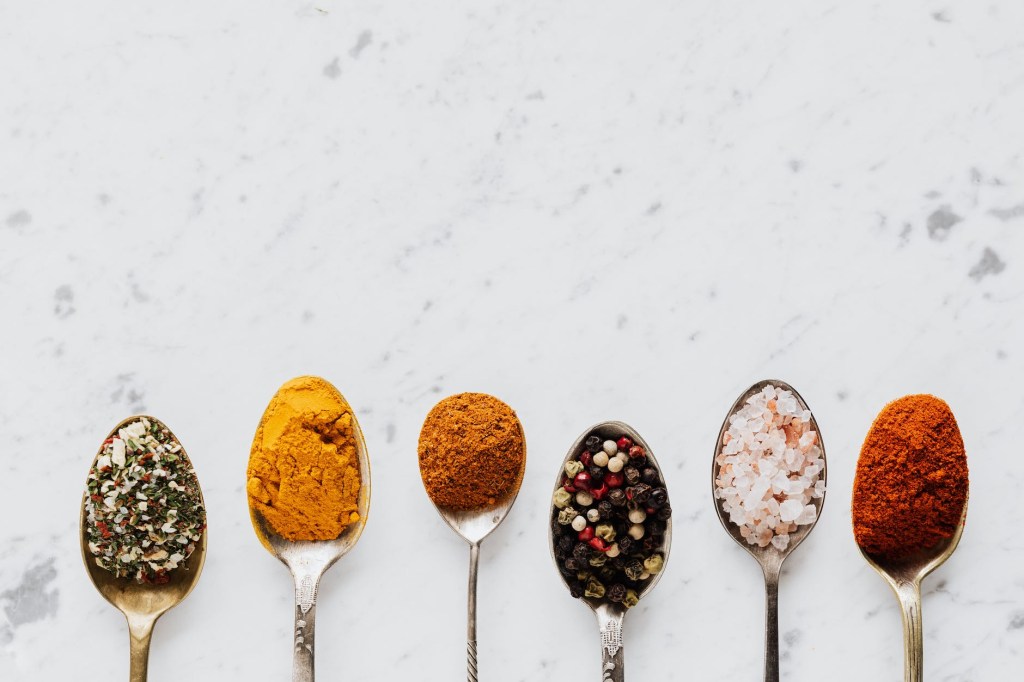
Spices and Mix-Ins: Also include some ingredients that add flavor or texture, especially if you choose not to use the seasoning provided with your ramen. Salt and pepper are musts. Garlic powder or garlic salt can really improve a meal. Italian seasoning or other mixtures can be helpful. See the recipes below for some great combinations.
Ramen Recipes for Backpacking
For each of the following recipes, add any ingredients you want to rehydrate (such as dried veggies) into the pot with the water as you cook your ramen. Other ingredients can be added after the noodles are cooked. Add the spice packet provided with your noodles unless otherwise indicated.
- Ham and Cheese Ramen: Ramen package of choice, dehydrated ham or Spam, dried peas, 1 cheddar cheese stick or 1/4 c cheese powder, 1/4 c powdered milk (optional), crushed red pepper to taste.
- Fast-Food-Packet Spicy Ramen: Ramen of your choice, dried chopped green onions, shredded jerky of your choice, dried shitake mushrooms, salt to taste, 1 packet soy sauce (from a fast food restaurant), 1 packet sesame oil (from a fast food restaurant), sriracha packet (if available, or substitute with a ketchup packet and a hot spice such as red pepper).
- Italian Ramen: Beef Ramen packet, dehydrated ground beef or sausage, dehydrated tomato powder (or ketchup), dehydrated onions, and Parmesan cheese. Season it with salt, pepper, basil, and oregano to your taste.
- Mexican Flavored Ramen (Vegetarian): Ramen packet of choice (soy flavor is vegetarian), fully cooked beans, dried tomatoes, dried onions, dried corn, chili powder, soy sauce packet (optional).
- Peanut Butter Ramen (Vegetarian): Ramen packet of choice (soy flavor is vegetarian), peanut butter, soy sauce packet, garlic powder or garlic salt, dried ginger, and Sriracha packet (if available, or else ketchup packet with red paper to taste).
- Thai Peanut Shrimp Ramen: Shrimp ramen packet, dried shrimp, peanut butter, coconut milk powder, curry powder, lime juice powder or flavoring, and dried cilantro. This can be made with chicken ramen and a packet of cooked chicken if preferred.
- Ramen with Cheese and Bacon Bits: ramen packets, cheese slices, bacon bits, and dried green onions.
- Ramen Bomb: ramen packet, instant mashed potatoes, Spam or tuna, and Sriracha sauce (or ketchup packet with spice),
- Curry Ramen: ramen packet, instant mashed potatoes, dried meat of choice, coconut milk powder, curry powder, lime juice powder or flavoring, and cilantro.
- Ramen with Tuna and Mayo: ramen packet, tuna packet, mayonnaise packet, and relish packet (if available).
- Ramen with Peanut Butter and Jelly: ramen packet, peanut butter, jelly packet, crushed granola bars.
- Peanut Coconut Ramen: ramen packet, peanut butter, coconut milk powder, curry powder, brown sugar packet, fish sauce packet, cashews, chicken or tuna packet.
- Peanut Ginger Ramen: ramen packet, peanut butter, soy sauce packet, rice vinegar packet, sugar packet, dried ginger, packet of tofu or other protein, dried seaweed.
- Pizza Ramen: ramen package, ketchup packets, dried mushrooms, summer sausage pieces, dried Italian spice, cheese sticks.
Cold Soaking Ramen
If you’re looking for a tasty and satisfying meal on the trail, cold soaking ramen is a great option. You don’t need any stove or fuel, just some dry ramen noodles, water, and a few extras. Before you hit the road, break up the noodles into a ziplock bag or a reusable container, and add your preferred seasonings or flavor packets. When you’re ready, fill the bag or container with water and let it sit for at least four hours. The noodles will soak up the water and become tender and flavorful. You can then drain the water and add some nuts, seeds, dried fruits, or jerky for extra protein and crunch. Enjoy your cold soaked ramen as a hearty and satisfying meal on the go!
 Hiker Chick