Hiking uphill is a simple and effective way to improve your physical and mental health, as it burns more calories, strengthens your muscles and bones, lowers your risk of chronic diseases, and boosts your mood and energy compared with walking on a flat surface. Whether you hike up a steep hill, or use an inclined treadmill, you can get a great workout.

25 Benefits of Hiking Up a Large Hill
Below are 25 great benefits of modest as well as steep incline hiking, followed by some tips:
1. Helps boost your heart rate. Hiking on an incline increases the intensity of your workout compared to walking on flat surfaces and raises your heart rate, which improves your cardiovascular fitness and endurance.
2. Burns more calories than walking on a flat surface. Walking on an incline requires more energy and effort than walking on a level ground, which means you burn more calories and fat.
3. Builds your glutes and hamstrings. Uphill hiking activates and strengthens the muscles in your posterior chain, such as your glutes (your large buttocks muscles), hamstrings (back of your thigh), and lower back.
4. Challenges your calves. Walking up a hill puts more stress and tension on your calf muscles than walking on flat terrain, which helps them grow and tone.

5. Provides a lower-impact workout than running or downhill hiking. Hiking uphill is gentler on your joints than running or downhill hiking, especially if you do it on soft dirt or a treadmill with a cushioned surface.
6. Improves your balance and stability. Walking on an incline engages your core muscles and challenges your sense of balance, which improves your posture and stability.
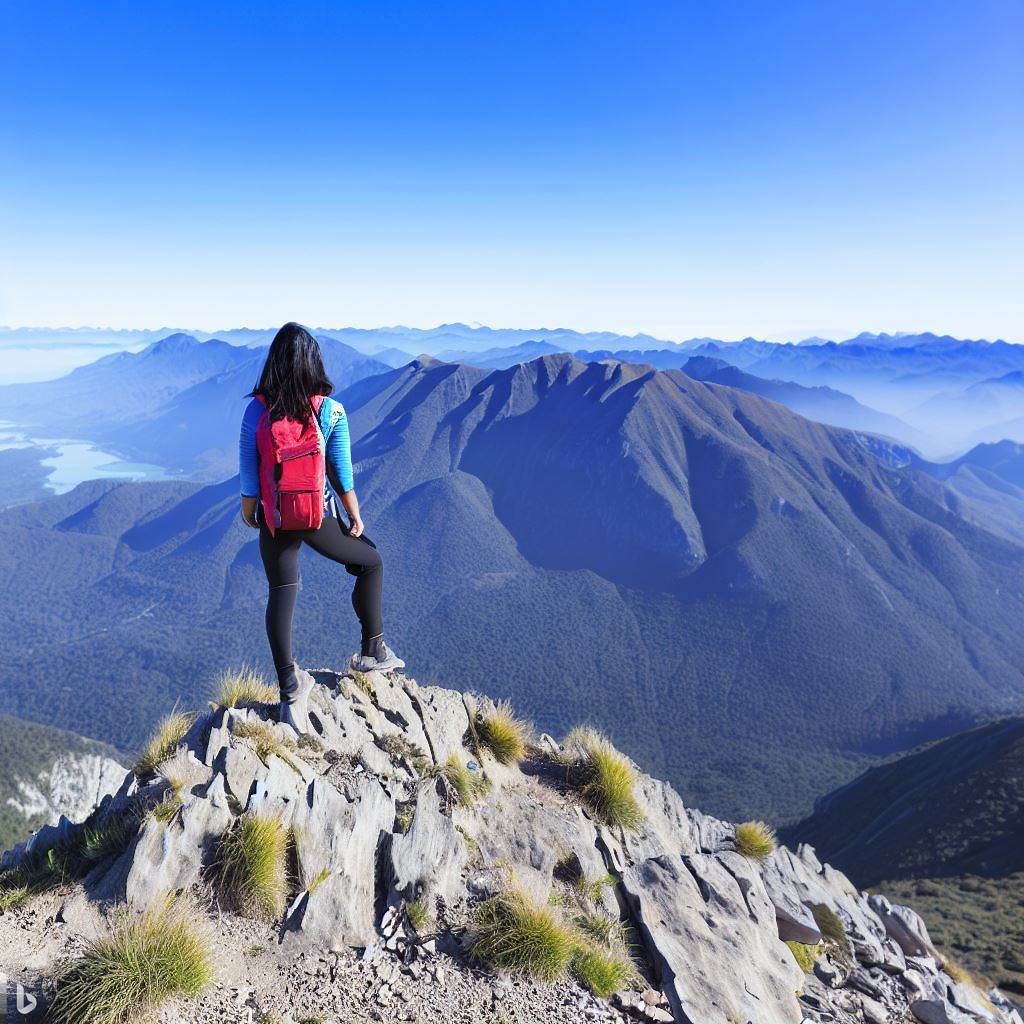
7. Enhances your mood and mental health. Hiking up a hill releases endorphins and serotonin, which are hormones that make you feel happy and relaxed. Making it to the top of a steep hill can be an especially big boost, and even more so if you are rewarded by a glorious view.

8. Reduces the risk of diabetes. Walking up hills helps lower your blood sugar levels and improves your insulin sensitivity, which reduces the risk of developing type 2 diabetes, even more than hiking on level ground or downhill because you are making greater gains to your fitness.
9. Lowers your blood pressure. Hiking on hills helps lower your blood pressure by improving your blood circulation and reducing the strain on your heart as you work hard to make it up a steep hill.
10. Strengthens your bones and joints. Hiking uphill helps increase your bone density and prevent osteoporosis because it is such a weight bearing activity. The constant motion also helps to lubricate your joints and prevent arthritis.
11. Boosts your immune system. Walking on an incline helps stimulate your lymphatic system, which is responsible for fighting infections and removing toxins from your body.
12. Increases your lung capacity. Hiking up a large hill helps improve your breathing and oxygen intake, which increases your lung capacity and prevents respiratory problems. There are few activities that get your lungs working so completely that reward you with beautiful views at the end.

13. Improves your sleep quality. Walking up steep hills helps regulate your circadian rhythm and melatonin production, which improves your sleep quality and duration. In addition, the physical exhaustion and sense of accomplishment promote great sleep.

14. Prevents muscle loss. Incline hiking helps preserve and build lean muscle mass, which prevents muscle loss due to aging or inactivity, especially for your lower body.
15. Reduces the risk of heart disease. Walking on an incline helps lower your cholesterol levels, including triglyceride levels, and prevent plaque buildup in your arteries, which reduces the risk of heart disease and stroke. The heart pounding that comes while you are struggling up a steep hill keep your blood flowing and arteries clear.
16. Supports weight management. Hiking up hills helps you maintain a healthy weight by increasing your metabolism and suppressing your appetite. Depending on your body size, fitness level, steepness, and your hiking speed, you can hike hundreds of extra calories per hour hiking uphill.
17. Enhances brain function. Uphill walking helps improve your cognitive function and memory by increasing blood flow to the brain and stimulating new brain cells.

18. Reduces stress and anxiety. Walking on an incline helps calm your nervous system and reduce stress and anxiety by releasing tension and promoting relaxation.
19. Increases your confidence and self-esteem. Hiking up steep slopes helps boost your confidence and self-esteem by improving your physical appearance and performance. There is no better feeling than knowing you were able to make it to the top!
20. Prevents back pain. Walking on an incline helps prevent and relieve back pain by strengthening your core and back muscles and improving your posture.
21. Improves your digestion. Uphill hiking helps improve your digestion by stimulating your intestinal muscles and preventing constipation.
22. Prevents varicose veins. Incline hiking helps prevent varicose veins by improving your blood circulation and preventing blood pooling in your legs.
23. Reduces inflammation. Walking on an incline helps reduce inflammation by lowering the levels of inflammatory markers in your body due to how you challenge your body during the exercise.
24. Prevents depression. Hiking up slopes helps prevent depression by increasing the levels of serotonin and dopamine in your brain, which are neurotransmitters that regulate mood and motivation.

25. Increases your lifespan. Hiking in the mountains helps increase your lifespan by reducing the risk of chronic diseases and improving your overall health and well-being.
Hiking Options
Of course, there are many types of hikes you can choose to take—flat, uphill, or downhill walks. You can walk on trails, roads, beaches, or treadmills, inclined or not. You can choose to walk briskly on flat terrain instead of challenging yourself with a steep hill. However, I hope I’ve convinced you that seeking out uphill day hikes or backpacking trips can be worth it.
Tips for Uphill Hiking
Hiking uphill can be challenging when you first start out. As with any fitness routine, you should start slowly and build up your ability gradually. Generally, I find that the steepness of the hill matters more to the difficulty than the mileage covered. You will probably find that you can walk for longer periods and achieve greater total elevation gains when the slope is more gradual. You may find you need to rest more often on steeper slopes.
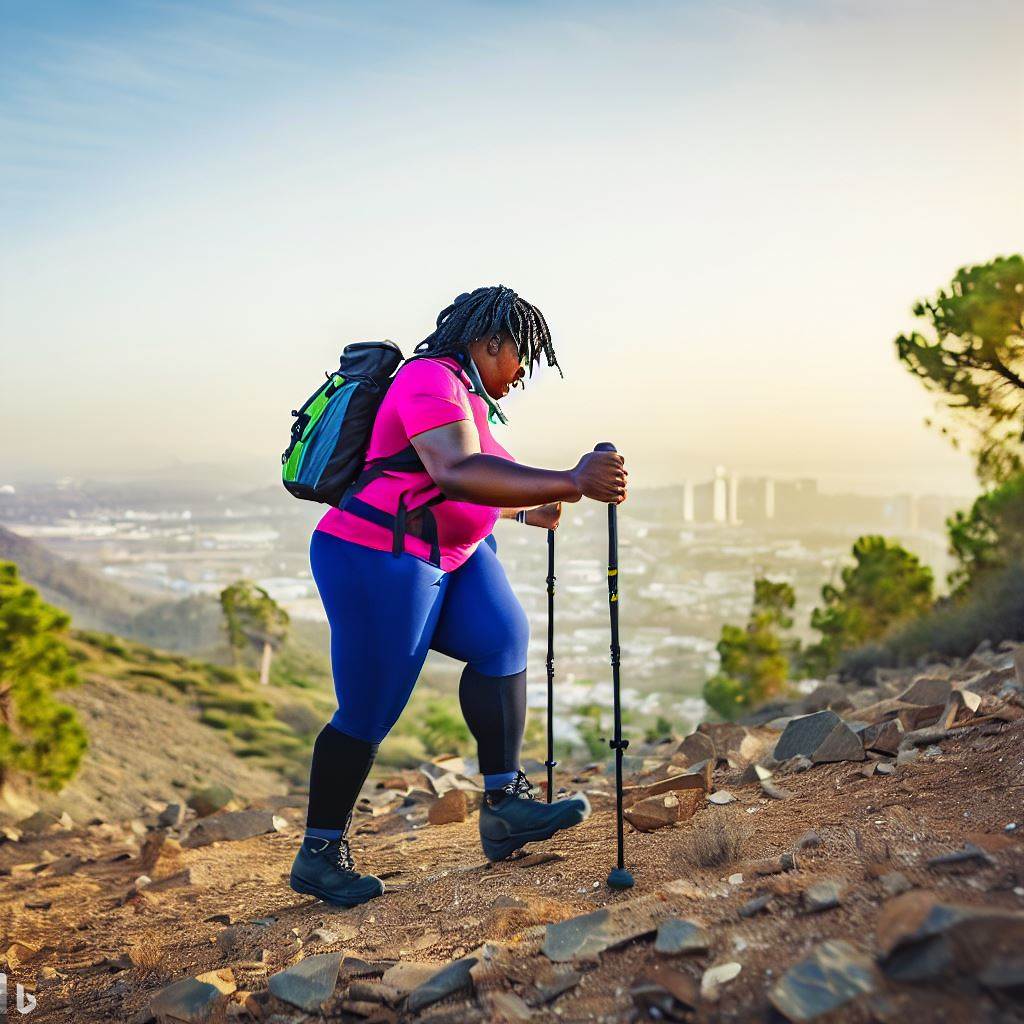
To have most success with least strain on your body, walk with good posture, trying not to look at your feet or the ground just in front of you. You will tire more slowly if you take shorter steps, though it is often tempting to over-stride to get to the top more quickly. The use of one or two hiking, or trekking, poles can be helpful as they take some of the strain off your legs.
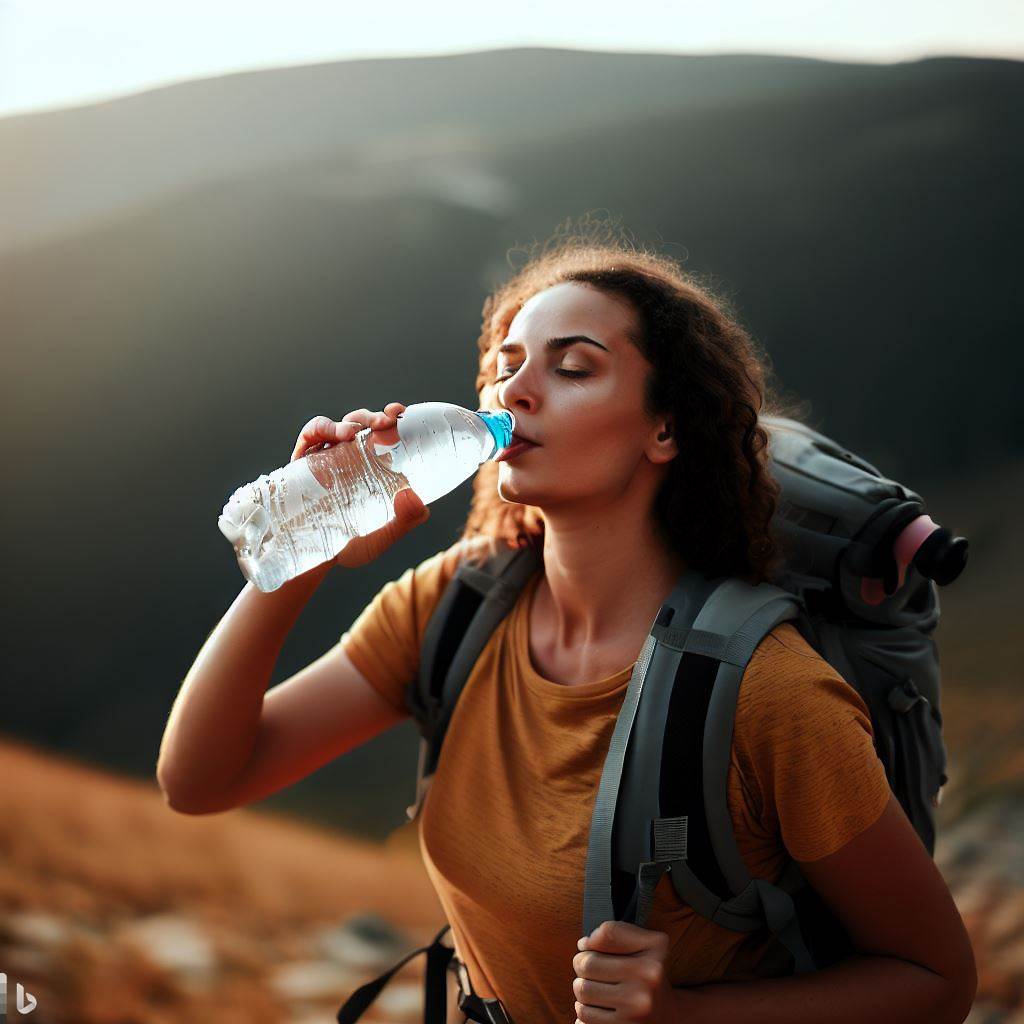
Make sure when you hike hills that you carry more water and drink more often than you would on flat terrain. You will be sweating more and can easily become dehydrated. I personally find that I also need to carry a drink with electrolytes, like Gatorade, when I am doing much uphill hiking.
Training for Hills
Of course, the best training for hiking hills is hiking them as much as possible, but in some locales it isn’t easy to get to big hills or mountains every day. I will often do hill repeats, hiking up and down the biggest hill I can reasonably get to, to simulate as well as I can hiking up one much larger mountain. Great exercises to do at home or the gym include calf raises and squats. If you have access to a Stairmaster, it will build your strength and stamina for hills quickly. Whatever exercise routine you choose, keep in mind that if you are significantly straining your muscles, then you need rest days for those muscles to recover.

Injury Risks
The biggest risk to your body of hiking hills is generally to your knees, and that is most commonly a problem of downhill hiking. To help reduce that risk use two hiking poles, do not over-stride, and try to land gently with soft knees. There are great exercise programs available to strengthen knees and you should consider using these before a hiking trip with an unusually steep decline, especially if you have added additional stress from a heavy pack. For more tips about hiking downhill, see my post, The 17 Best Ways to Prevent Knee Pain When Hiking Downhill.

In addition to pain in your knees, watch for lower back pain and pain in other joints. If you do hurt your knees or other joints or muscles, you can get help from a physical therapist. I have had great luck with quickly eliminating my own knee pain with dry needling, a form of acupuncture, available from many chiropractors and physical therapists.
Summary
Uphill hiking has many benefits to your health. Just start off slowly, pay attention to any aches and pains, get adequate rest, and get help from medical professionals as soon as possible if you have any pain beyond normal muscle soreness.

 Hiker Chick
One thought on “The 25 Best Health and Fitness Benefits of Uphill Hiking”