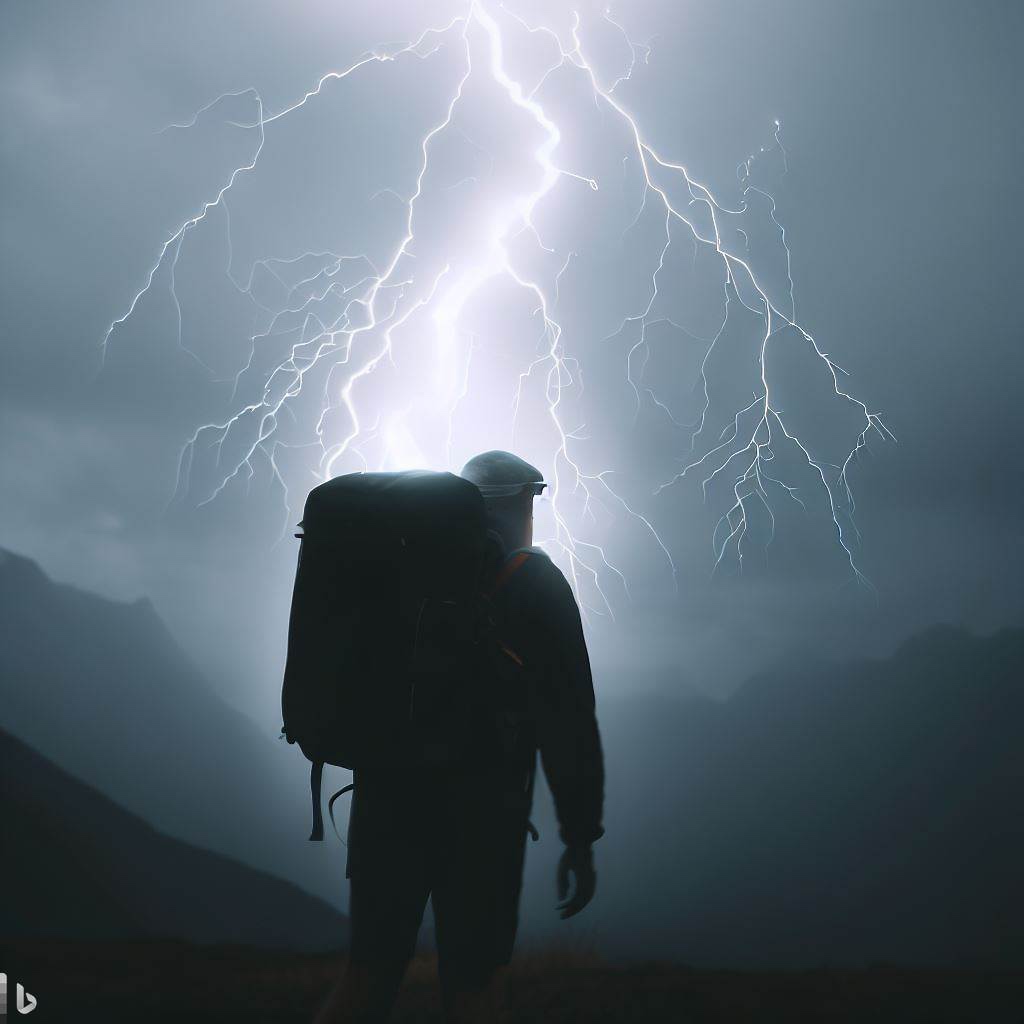
Backpacking is a great way to explore nature and enjoy the outdoors. But sometimes, the weather can be unpredictable and you may find yourself caught in a thunderstorm. Thunderstorms can be dangerous, especially if you are in an exposed area or near metal objects. Lightning can strike up to 10 miles away from the storm cloud, so you need to be prepared and act quickly if you hear thunder or see lightning.
Here are some tips on how to stay safe in a thunderstorm when backpacking:
1. Avoid Open Fields And Isolated Trees
One of the best ways to stay safe in a thunderstorm when backpacking is to stay away from open fields. These areas offer no protection from lightning and make you an easy target. You should also avoid standing near isolated trees or other tall objects, such as poles, antennas, or fences. These can attract lightning and cause side flashes, which are when lightning jumps from one object to another.
2. Get Below The Treeline
You should also try to avoid the summits of mountains or ridges, and any hiking above the treeline. These places are more likely to be struck by lightning and have less cover. If you are on a high elevation trail and see a storm approaching, descend as quickly as possible to a lower area with more trees. The trees will help disperse the electric current and reduce the risk of a direct strike.
3. Descend To Lower Elevations
If you are in a valley or a depression in the terrain, you are in a better position than being on a hill or a ridge. However, you should still be careful and avoid standing in water or near wet rocks. Water conducts electricity and can increase the chance of getting shocked by ground current, which is when lightning travels through the ground after striking an object. You should also avoid metal objects, such as metal-frame backpacks or hiking poles, and keep them at least 100 feet away from you.
4. Don’t Stand In Water
Water is one of the worst places to be in a thunderstorm. Not only does it conduct electricity, but it also increases your exposure to lightning by making you taller than your surroundings. If you are near a lake, river, or stream, get out of the water and move away from the shore. If you are crossing a bridge or a metal structure over water, get off it as soon as possible.
5. Separate From The Rest Of Your Group
If you are backpacking with others, you should spread out and keep at least 100 feet apart from each other. This way, if one person gets struck by lightning, the others will not be affected by the electric current. It also reduces the chance of multiple casualties and makes it easier for rescuers to find you.
Conclusion
Thunderstorms can be scary and dangerous, but they don’t have to ruin your backpacking trip. By following these tips, you can reduce your risk of getting injured by lightning and stay safe in a thunderstorm when backpacking. Remember to check the weather forecast before you go, plan your hike accordingly, and seek shelter as soon as you hear thunder or see lightning.
Sources:
¹: How To Stay Safe In A Thunderstorm When Backpacking
²: Lightning Safety – American Hiking Society
³: Camping in a Thunderstorm: a Guide To Staying Safe
⁴: Hiking in a thunderstorm: how to stay safe – Hikeheaven
 Hiker Chick